
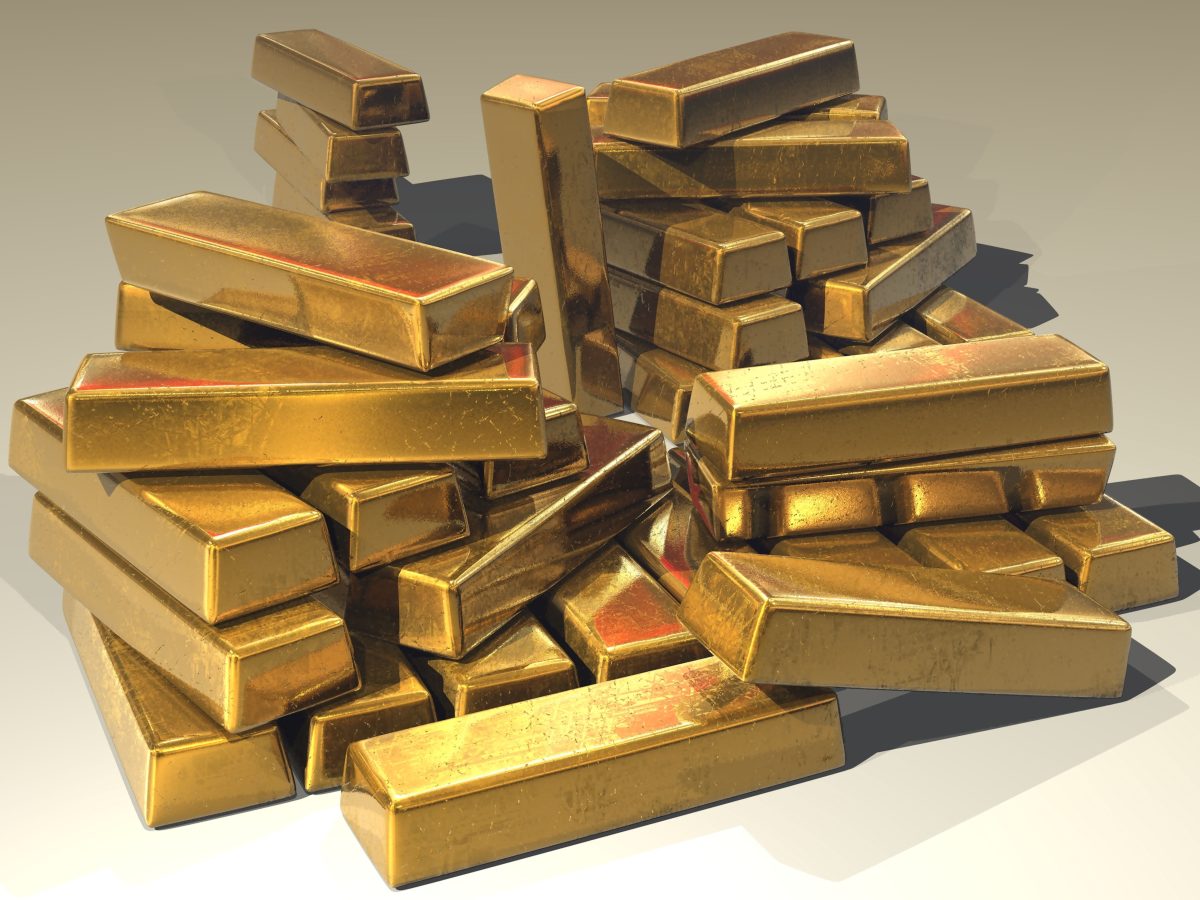
- Lead. Gold traded at approximately $4,059 per ounce on Saturday, leaving the metal down more than 27% from its record high of $5,597.23 set on January 29 — the metal’s first sustained bear market since 2022.
- Fact. The decline is paradoxical: the Middle East conflict that initially drove gold higher has become bearish for it, because soaring oil prices have kept inflation elevated and pushed the Federal Reserve to delay rate cuts that would normally favour non-yielding assets like gold.
- Stake. Major producers including Newmont and Barrick Mining have each guided for lower gold output in 2026, compounding the margin pressure from falling prices and raising questions about capital spending in the sector.
At its peak on January 29, spot gold had surged nearly 160% over the preceding two years, reflecting geopolitical anxiety, central bank buying, and anticipation of a monetary easing cycle. The metal hit $5,597.23 per ounce — a level that had seemed unattainable only eighteen months earlier. What followed was a reversal driven by a conjunction of forces that few gold bulls had modelled as the base case.
The Inflation Trap
Gold’s decline accelerated as the US-Iran military escalation drove energy prices sharply higher rather than fuelling safe-haven buying. Higher oil prices fed through to broader inflation, pushing the US annual inflation rate to 4.2% in May, which prompted the Federal Reserve to keep rates higher for longer rather than cutting as markets had expected. Because gold yields nothing, its opportunity cost rises when real interest rates are elevated: capital that might otherwise sit in bullion migrated into US Treasury bonds offering positive real returns.
The dollar strengthened concurrently — gold’s twin headwind — as higher US rates attracted capital inflows relative to other currencies. That dynamic suppressed dollar-denominated gold prices even as demand in some physical markets held firm.
Producers Under Pressure
The fall in spot prices has reached the income statements of the world’s largest gold miners. Newmont (NYSE: NEM) and Barrick Mining (NYSE: B) have both projected lower gold production for 2026, creating a double bind of lower volumes and lower prices. Analysts tracking the sector note that all-in sustaining costs at major producers typically sit between $1,200 and $1,500 per ounce, leaving margins intact even at current prices, but that capital expenditure on new projects is being scaled back given uncertainty about the price path.
The Federal Reserve meeting on July 29 is the next significant catalyst for gold. With oil above $100 and rate-hike odds running at 38%, any hawkish surprise from the FOMC — or, conversely, a dovish signal — could produce sharp short-term moves in a metal already under significant technical pressure.
Long-Term Expectations Remain Elevated
Despite the bear market, longer-term price forecasts remain bullish. JP Morgan has projected gold could test $6,300 per ounce by year-end if the Fed signals a pivot back to easing and geopolitical risk premiums rebuild. The current period is more accurately characterised as a recalibration after an exceptional rally than as a structural reversal of the multi-year bull case driven by central bank diversification away from dollar reserves.