
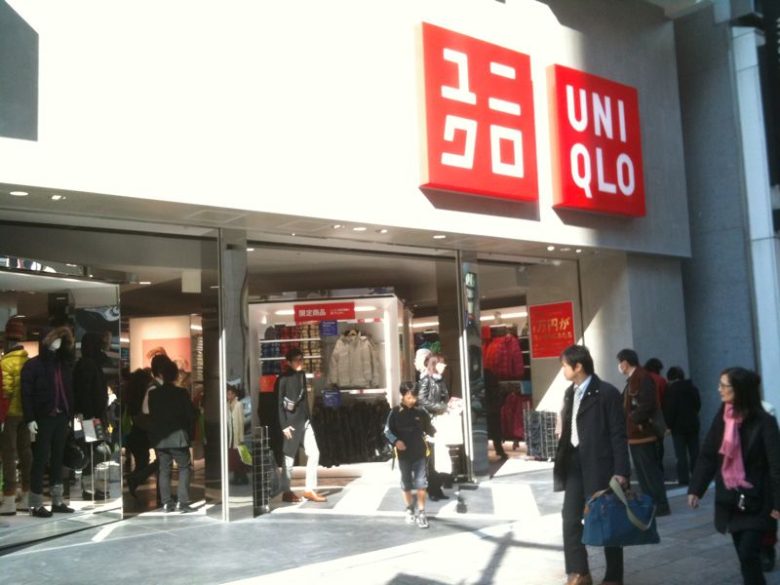
- Lead. Japan’s retail sales rose 5.3% year-on-year in May 2026, the strongest gain since November 2023, beating the 3.2% consensus forecast by a full two percentage points.
- Fact. Automobile sales surged 23.7% and machinery and equipment spending climbed 14.5%, indicating durable-goods demand is driving the rebound rather than government subsidy top-ups alone.
- Stake. The data hands the Bank of Japan another concrete piece of evidence that domestic demand is solid enough to support continued monetary normalisation, keeping further rate increases in 2026 on the table.
What the data showed
Japan’s Ministry of Economy, Trade and Industry reported on June 28, 2026, that retail sales rose 5.3% in May from a year earlier, up sharply from a revised 2.8% gain in April and well ahead of the 3.2% median forecast. On a month-on-month basis, sales expanded 1.9%, more than three times the 0.6% estimate. The release, covered by InvestingLive, confirms a marked acceleration in Japan’s consumer sector heading into the second half of the year.
The strength was spread across discretionary categories. Department store sales climbed 6.9% year-on-year, while the catch-all “other retail goods” category rose 8.9%. Non-store retail, which includes online channels, fell 4.2%, and fuel sales declined 2.6%, partly reflecting lower pump prices as oil markets have partially recovered from the Iran-conflict-era spike.
What drove the spending rebound
Two factors are credited with pushing consumers back into stores. First, corporate wage negotiations earlier in 2026 produced the largest pay increases Japan has seen in three decades, placing more disposable income in household budgets. Second, the government’s cost-of-living subsidy programme — targeting utility bills and food staples — has freed up spending on bigger-ticket items by reducing routine monthly outgoings.
The durable-goods categories illustrate the dynamic clearly. Automobile sales up 23.7% and machinery and equipment up 14.5% are not the kind of moves generated by grocery vouchers; they point to households with genuine confidence in their income outlook. Food and beverages grew a more modest 2.4%, and pharmaceuticals and cosmetics added 2.8%, suggesting the subsidy floor under necessities is working but that the real spending impulse is in discretionary categories.
Implications for Bank of Japan policy
The Bank of Japan raised its policy rate to 1.0% at its June 16 meeting — the highest level since the mid-1990s — and board members have since signalled support for further hikes toward a neutral rate of around 2%. May’s retail sales number supplies concrete demand-side evidence to support that path.
The central bank has been navigating a careful course: exiting the era of ultra-loose policy without choking off a recovery that remains sensitive to external headwinds, including elevated energy costs and uncertainty around global trade. A third consecutive month of retail sales running above forecast reduces one of the main risks to tightening — that domestic consumption might buckle under the weight of higher borrowing costs before inflation was sustainably at target.
Markets will now look to the July BOJ meeting for any signal on timing and pace. Governor Ueda has consistently stressed data dependence, and May’s consumer spending print, if confirmed by June data, makes it harder to delay the next move. Analysts tracking the BOJ expect the next 25-basis-point increase at the September or October meeting, taking the rate to 1.25%.
Broader context
Japan’s consumer rebound stands in contrast to the picture in some other major economies. The eurozone’s Economic Sentiment Indicator slipped to 93.5 in June, below its long-term average of 100, according to European Commission data released June 29. In the United States, the 4.3% unemployment rate and 172,000 May payroll gain reflect a more resilient labour market, but US PCE inflation at 4.1% year-on-year is constraining real purchasing power in ways that Japan, with a lower headline inflation profile in consumer goods, has partially avoided through subsidy policy.
For Japan, the more immediate risk is whether May’s surge proves durable. Non-store retail’s 4.2% decline hints at a possible structural shift back toward in-person shopping as subsidised commuting and tourism returned to normal patterns — but it also introduces uncertainty about whether the overall consumption trend is as robust as the headline number suggests. The June retail sales release, due in late July, will be the next significant test.