
- Lead. Mistral AI announced on September 8 that it had raised €3 billion (approximately $3.5 billion) in a Series D round led by Samsung Electronics — the largest equity fundraise ever completed by a European technology company.
- Fact. The round values Mistral at €21 billion ($24 billion), nearly doubling the €11.7 billion valuation from its last financing a year ago; new backers include BlackRock and the Grand Duchy of Luxembourg.
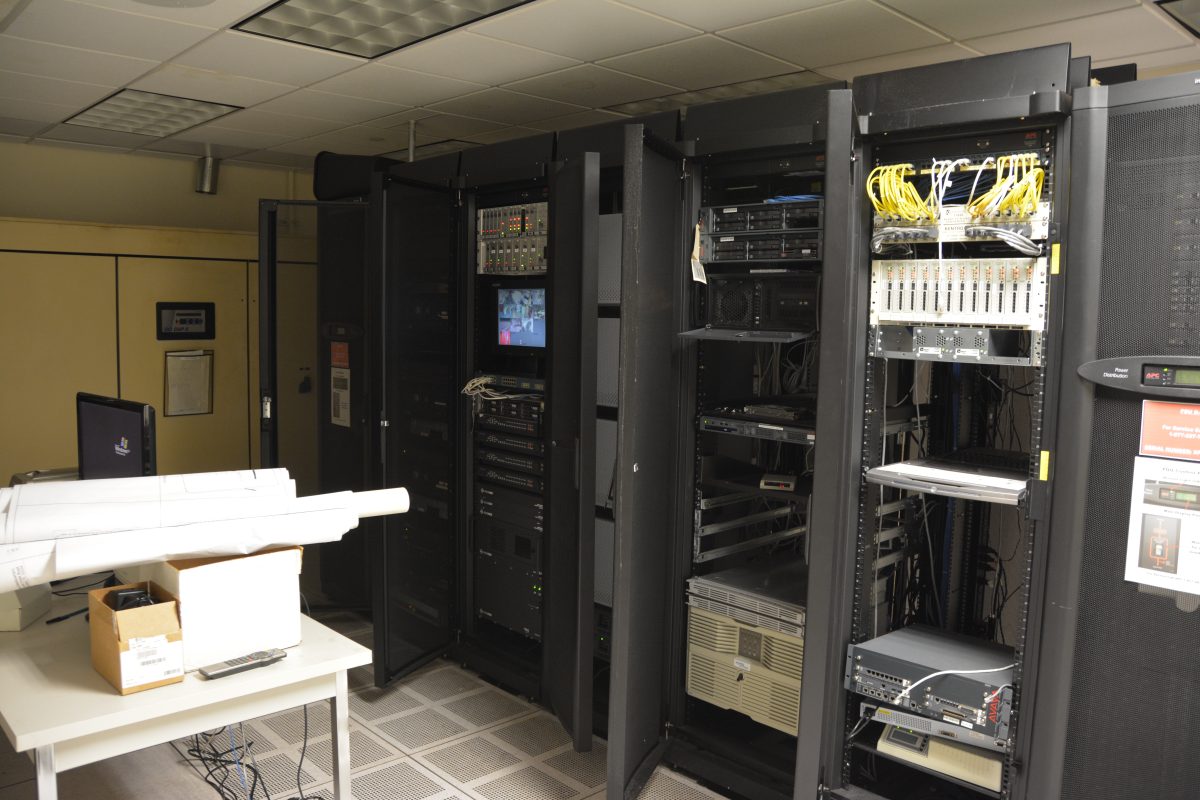
- Stake. Mistral intends to own and operate its own data centres rather than rent capacity indefinitely — a strategic move that pits it against US hyperscalers on the infrastructure layer, not just the model layer.
The Round and Who Backed It
Samsung led the raise, joined by EQT’s Scaleup Europe Fund and existing investor PSG Equity as co-leads. New investors in the round include Advent, funds managed by BlackRock, and the Grand Duchy of Luxembourg’s sovereign investment vehicle. Existing backers including a16z, Nvidia, and Salesforce Ventures also participated.
The Luxembourg entry, alongside French President Emmanuel Macron’s framing of the round as an expression of France and South Korea’s ambition to “build a third way in AI,” underscores how explicitly geopolitical the Mistral narrative has become. The company operates in 20 countries and has positioned itself not as a European version of OpenAI, but as an alternative to US-headquartered AI infrastructure for customers who want regional data processing and control over their models.
As TechCrunch noted, sovereign AI — the idea that countries and enterprises should have AI capabilities not wholly dependent on American companies — has become a substantial commercial product. Mistral’s growth reflects genuine enterprise demand, particularly from European governments and regulated industries seeking models that can be deployed on-premises or in locally controlled cloud environments.
The Data Centre Bet
CEO Arthur Mensch has been explicit about the capital’s primary destination: building and owning data centres while also renting additional compute capacity. That represents a significant pivot from the asset-light model that most AI labs have pursued, and it carries both strategic and financial logic.
On the strategic side, owning infrastructure reduces dependence on hyperscalers that are simultaneously competitors in the foundation model space. On the financial side, it creates a recurring revenue base — from hosting and inference fees — that model licensing alone cannot guarantee. The company already has a partnership with Microsoft, expanded in July 2026, but the data centre buildout signals that Mistral does not intend to become a feature of Azure.
The round arrives at a moment of intense capital concentration in AI. The $60 billion Qualcomm-Amazon chip deal and Nvidia’s ongoing dominance of the GPU market have made compute access the central constraint for any lab not allied with a hyperscaler. Mistral’s fund raise is partly a direct bid to escape that constraint.
Where This Leaves the Competitive Map
At €21 billion, Mistral now occupies a different tier than the European AI companies it is most often compared with — better-capitalised than any previous European tech champion at a comparable stage. Whether that translates into competitive model quality at the frontier remains an open question; the company has not released benchmark data for its most capable unreleased models.
What is not in doubt is that the round has changed the terms of the debate about whether Europe can build globally competitive AI infrastructure. Two years ago the answer was treated as self-evidently no. Today, €21 billion worth of private capital disagrees.