
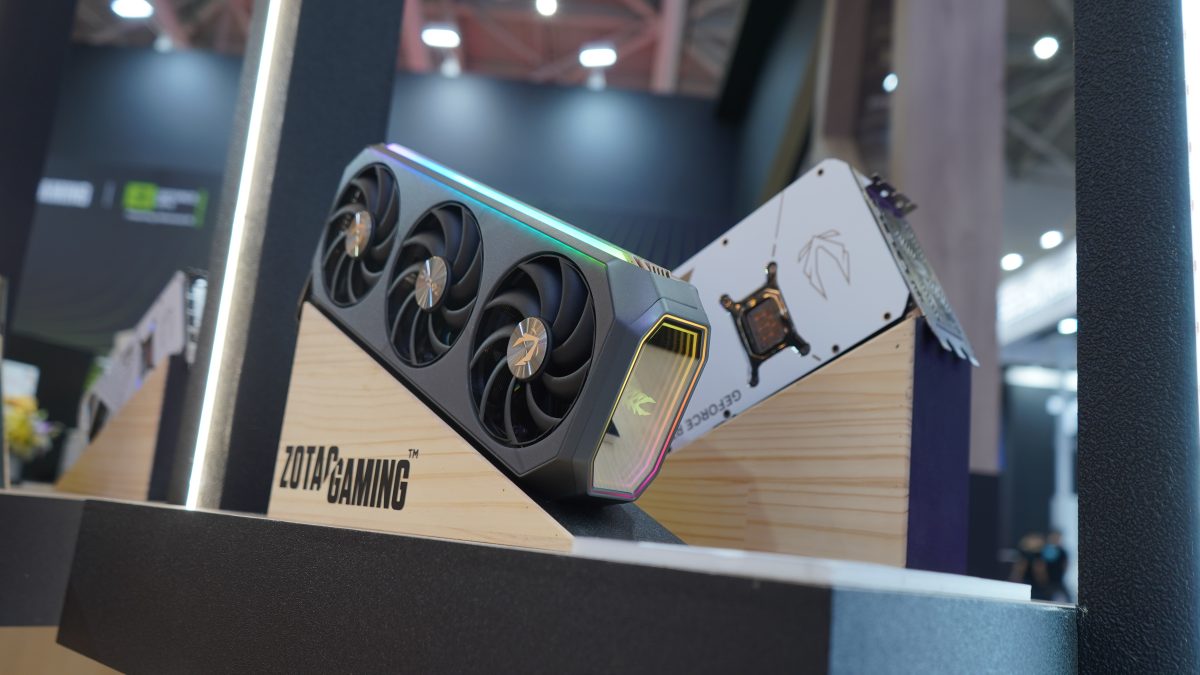
- The paradox. Washington cleared Nvidia to sell its H200 AI accelerators to ten named Chinese firms — including Alibaba, Tencent, and ByteDance — yet no deliveries have started, because Beijing appears to be discouraging or blocking the approved buyers from finalising orders.
- Nvidia’s exposure. China accounted for approximately 13% of Nvidia’s revenue — roughly $17.1 billion — before stricter export controls took effect, making the stalled H200 deals a material overhang on earnings and investor sentiment.
- Strategic calculus. Beijing’s reluctance reflects a deliberate push to build out domestic alternatives, particularly Huawei’s Ascend processor line, and to reduce critical infrastructure dependencies on U.S. technology ahead of any potential escalation in the tech cold war.
Under the framework formalised in a January 13, 2026 Commerce Department regulation, approved Chinese buyers may purchase up to 75,000 H200 chips each, with Nvidia required to remit 25% of the proceeds from those sales to the U.S. government — a revenue-sharing structure that was itself a compromise between outright prohibition and unrestricted access. The ten approved firms were notified in mid-May, according to Reuters, which first reported the approvals on May 14.
Why Beijing won’t play
Analyst Ma Jihua, who covers China’s semiconductor industry, cited “unstable U.S. export policy and lingering security concerns” as the core reasons Chinese firms have not moved to close deals. The concern is well-founded: any firm that invests heavily in H200 infrastructure risks finding that Washington revokes or tightens the licence under a future policy shift, potentially stranding capital in hardware that cannot be legally serviced or upgraded. The State Council has also issued recent supply chain security regulations directing state-affiliated enterprises to audit and reduce dependencies on foreign technology in critical sectors.
Nvidia CEO Jensen Huang, who joined Trump’s Beijing delegation in May after being picked up in Alaska en route to the Xi summit — underscoring how directly the chipmaker is enmeshed in diplomatic negotiations — has warned that measures “harmful to China could oftentimes also harm America.” Despite the optics of the trip, Trump’s closing statement that “a lot of different problems were settled” did not translate into a single confirmed H200 order, as Huang had hoped his presence at the Beijing summit would finally unlock the stalled deliveries.
Huawei’s window
Every month that H200 shipments remain frozen is a month that Huawei’s Ascend 910C and its successors can accumulate deployment experience and developer ecosystem in Chinese AI data centres. Domestic cloud providers — including Alibaba Cloud, Tencent Cloud, and ByteDance’s infrastructure division — are precisely the firms approved to buy H200s, which means Beijing is asking the companies that would most benefit from American hardware to accept domestic substitutes instead. That is a significant ask, but it aligns with the broader industrial policy priority of making China’s AI sector structurally independent before the next round of geopolitical pressure.
What has to change
For H200 deliveries to actually begin, one of three things would need to happen: Beijing would need to greenlight the purchases explicitly, individual firms would need to defy informal guidance and proceed regardless, or the diplomatic context would need to shift enough that both governments have a shared interest in allowing the trade to proceed. None of those conditions were met in Beijing. CNBC reported that Chinese firm representatives confirmed they were awaiting clearer government guidance before submitting orders. Nvidia, for its part, has permission on paper and revenue on hold.