
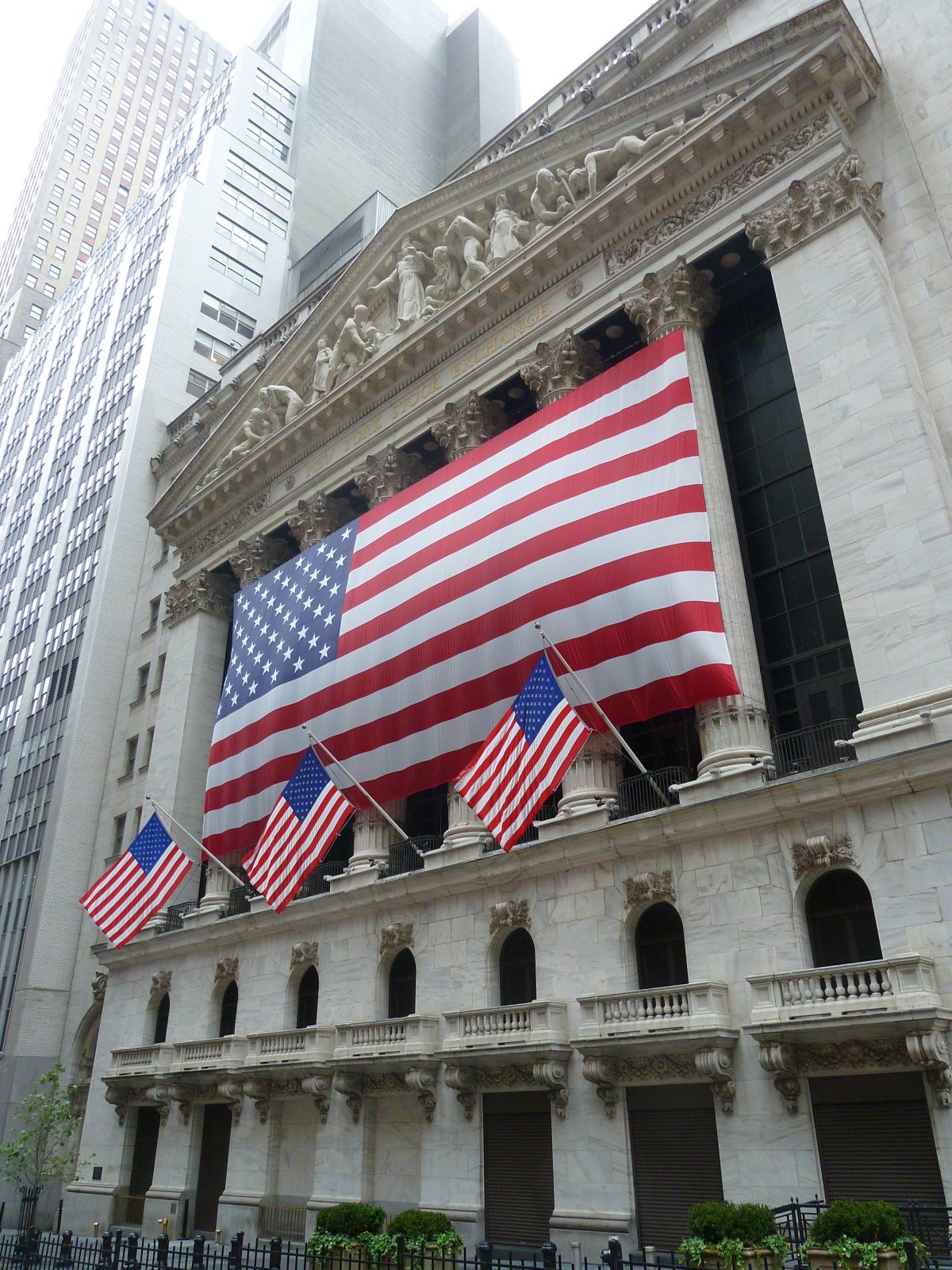
- Rally. The S&P 500 gained approximately 1% on September 17, snapping a three-day decline, as falling oil prices and easing Treasury yields offset the hawkish signal from the Federal Reserve’s rate decision the prior day.
- Oil. Brent crude fell to around $102 a barrel, down from $108 at the peak of Wednesday’s Iran-related spike, after Saudi Arabia indicated it could restore significant East-West pipeline capacity within days.
- Rates. The 10-year Treasury yield retreated five basis points to 4.96%, snapping an eight-day rising streak that had pushed it to its highest level since 2007.
Financial markets staged a broad recovery on September 17, one day after the Federal Reserve raised interest rates by 25 basis points to a target range of 3.75%–4.00%—its first hike since 2023. The S&P 500 futures rose 0.6% before the open, with the cash index building on that through the session to finish up roughly 1%. A closely watched gauge of semiconductor stocks climbed 3%, led by gains in Nvidia and peers benefiting from renewed confidence in AI-driven demand, according to data compiled by Yahoo Finance.
Oil leads the recovery
The most consequential driver of Thursday’s session was crude oil. Brent fell to approximately $102 a barrel after Saudi Arabia signalled it could restore around half of the damaged East-West pipeline’s capacity within days and full operations within six weeks, easing the supply fears that had pushed prices above $108 on Wednesday. President Trump also told reporters the Iran conflict would conclude “very soon,” a comment traders interpreted as reducing the tail risk of a sustained Hormuz closure.
The oil pullback directly relieved the inflation arithmetic that had been pressuring bond markets. The 10-year Treasury yield dropped five basis points to 4.96% from a level it had not seen since 2007, and the 2-year yield fell two basis points to 4.71% after hitting its highest point since 2024. Wednesday’s 600-point Dow selloff had been driven by the Fed’s dot plot, which showed 16 of 18 officials expecting at least one additional rate hike before year-end—a signal that proved more hawkish than many desks had priced.
Gold and Bitcoin move in opposite directions
Gold climbed to $4,423 on the session, up roughly $23, as investors maintained insurance positions against ongoing geopolitical risk even as the immediate oil spike faded. Bitcoin recovered to $77,467, up 1.4%, reversing part of its loss from the prior day’s tighter-financial-conditions selloff. Crypto-linked equities remained under pressure: Coinbase fell more than 4%, Circle dropped more than 6%, and Robinhood shed more than 5%, reflecting investor concern that persistently higher rates reduce risk appetite for speculative assets.
What the Fed’s trajectory means
Fed Chair Kevin Warsh emphasised at Wednesday’s press conference that the unanimous vote reflected the committee’s conviction that inflation had not meaningfully improved since the previous meeting. With energy costs elevated by the Iran war and the services sector still expanding—August PMI came in at 55.4—the consensus on Wall Street is that the Fed’s December meeting carries live hike risk. The next major data test will be September payrolls, due in early October.