
- Lead. Britain’s GDP grew 0.4% in the second quarter of 2026 — in line with forecasts but a step down from the 0.6% recorded in Q1, adding to evidence that the UK’s post-energy-shock recovery is losing momentum.
- Fact. UK industrial production fell 0.2% in June and manufacturing output dropped 0.5%, offsetting services growth and revealing the weakness beneath the headline figure.
- Stake. With three Bank of England policymakers already pushing for rate hikes, the Q2 data sharpens the dilemma between defending activity and containing inflation that has overrun its 2% target for more than five years.
The Office for National Statistics published second-quarter GDP figures on August 13 showing the British economy expanded 0.4% quarter-on-quarter, taking year-on-year growth to 1.2%. The reading, released alongside broader European data, matched consensus but marks a clear deceleration from Q1’s 0.6%. June’s monthly print came in at 0.3%, dragged lower by a 0.2% contraction in industrial output and a 0.5% fall in manufacturing production — sectors that have borne the brunt of elevated energy costs and subdued export demand.
A Recovery Under Strain
The industrial weakness mirrors conditions across Europe. In the eurozone, where second-quarter GDP also grew 0.4%, industrial production was flat in June. Spain’s harmonised inflation was revised up to 3.9% in July, and the eurozone aggregate came in at 2.9%, driven by a 10.0% surge in energy prices — up from 8.5% in June. The energy component is the decisive common factor: across the UK, Germany, and the eurozone periphery, real activity is being compressed by energy costs that remain structurally elevated even as the acute phase of the Iran war passes through global supply chains.
Germany’s harmonised inflation held at 2.8%, lower than the eurozone average, but German export activity has contracted sharply under pressure from a Chinese slowdown that has reduced demand for capital goods and machinery — the backbone of German industrial output. The UK faces a different version of the same bind: services are growing, but with less momentum than in 2025, and the industrial sector is not compensating.
The Bank of England’s Narrow Path
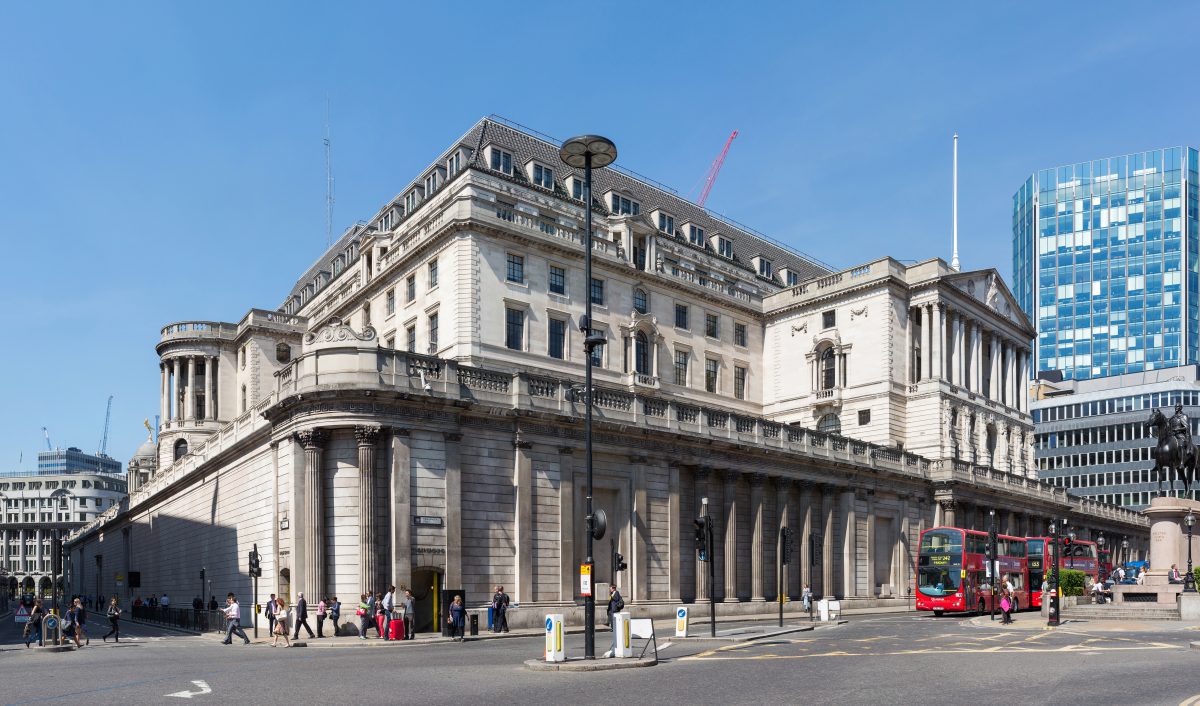
For policymakers at Threadneedle Street, Friday’s GDP print resolves little. The Bank of England held rates at 3.75% at its last meeting, but three MPC members are already dissenting in favour of a hike — the largest hawkish minority since 2016. Inflation remains above target and energy prices are sustaining upward pressure, yet 0.4% quarterly growth is not robust enough to absorb a rate increase without measurable risk to employment and investment.
Norway illustrated the bind plainly: the Norges Bank kept its policy rate at 4.25% on August 13 as average earnings growth slowed to 3.9% in the second quarter from 4.3% — real wages still negative. The UK’s monetary policy committee faces a variant of the same constraint as it prepares for its next decision, with an inflation target that has been missed for over five years and a growth trajectory that is decelerating precisely when rate pressure is building from within.