
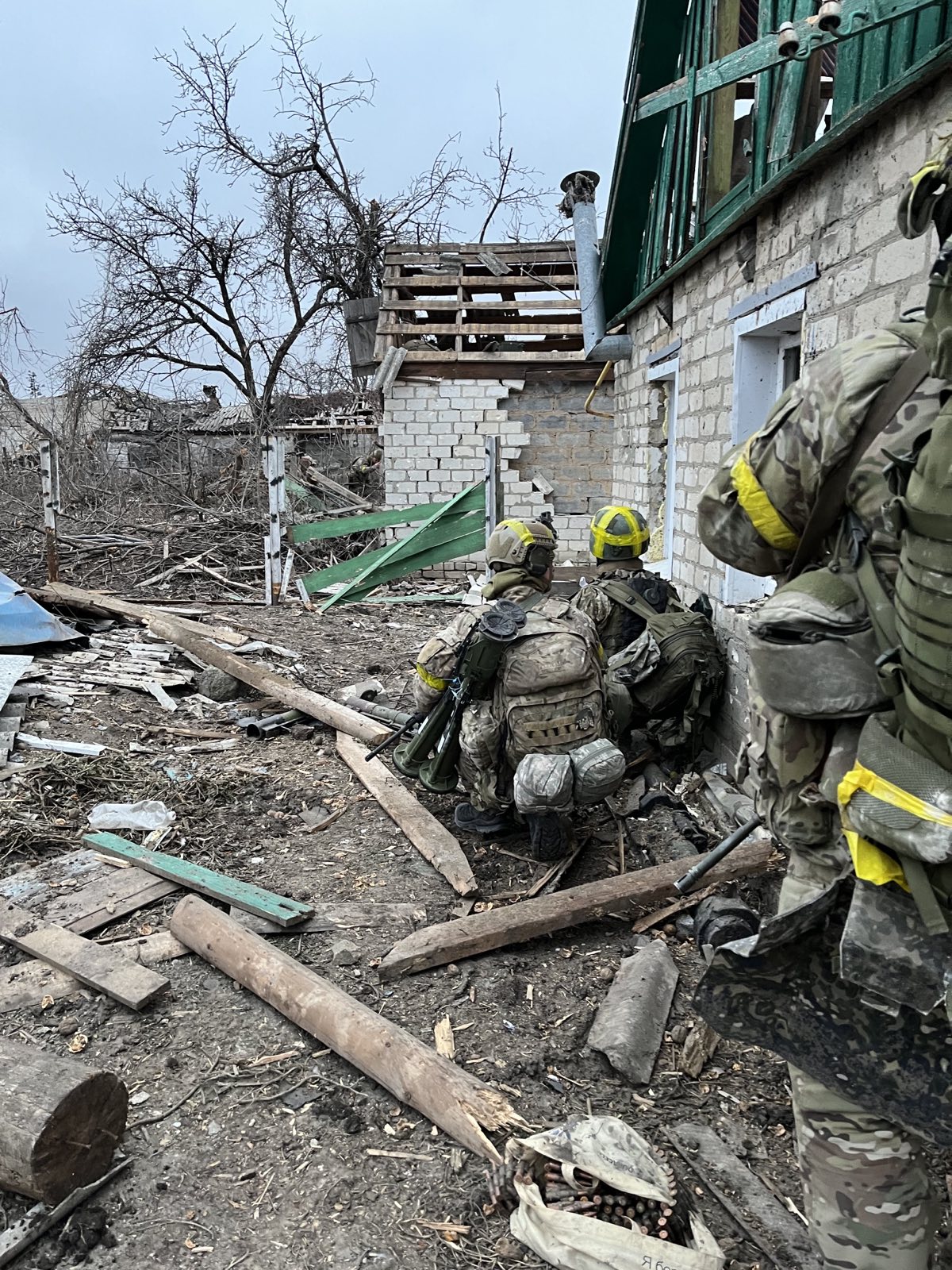
- Rival claims. Russia’s Defence Ministry announced Friday that its forces had taken Kostiantynivka, a strategic city in Donetsk; President Zelenskyy called the assertion “just another Russian lie.”
- Failed truce. Moscow followed the claim with a proposed six-hour local ceasefire to collect fallen Ukrainian soldiers’ bodies — an offer Kyiv rejected along with the underlying territorial claim.
- Frozen front. A senior US official described the battlefield as “clearly frozen over the last couple of months,” framing the Kostiantynivka episode as a political move rather than a genuine military breakthrough.
Russia’s Defence Ministry declared on Friday that its forces had captured Kostiantynivka, a city in the western Donetsk oblast that both sides regard as a strategically important node on the approach to Ukraine’s industrial heartland. The Kremlin’s announcement was followed almost immediately by a proposal for a six-hour ceasefire in and around the city — ostensibly to allow the handover of fallen Ukrainian soldiers’ bodies — with a Sunday 0900 GMT deadline for Kyiv’s response, according to Al Jazeera.
Zelenskyy’s counter and the war of proof
President Volodymyr Zelenskyy rejected both the territorial claim and the ceasefire offer in pointed terms. “Of course, that is not true,” he said. “It is just another Russian lie.” He then issued a direct challenge: if Putin genuinely controlled Kostiantynivka, the Russian leader could travel there and they could negotiate face to face. Kremlin spokesman Dmitry Peskov dismissed the proposal, stating that the city was already Russian territory and was therefore not an appropriate venue for peace talks in the format Zelenskyy described.
The duelling claims reflect a pattern that has intensified since the front line effectively solidified. As Russia’s monthly casualty tallies have remained high without producing territorial breakthroughs, Moscow has increasingly used tactical announcements of captures, ceasefires and body exchanges to shape the information environment rather than the battlefield itself.
Trump’s calls and the Ankara context
The Kostiantynivka episode unfolded on the same weekend that President Donald Trump held separate calls with both leaders. His conversation with Putin ran nearly 90 minutes, during which Trump offered US assistance in ending the war. Trump is scheduled to meet Zelenskyy on Wednesday at the NATO summit in Ankara, where allied military support for Ukraine — 70 billion euros pledged for 2026 — sits alongside the alliance’s defence spending targets as a central agenda item.
The timing of Russia’s announcement, days before that meeting, appeared calibrated to test Kyiv’s political position ahead of the summit and to remind Western capitals that the conflict remains unresolved. Whether the front line’s frozen character ultimately pushes both sides toward a negotiated settlement, or simply allows attrition to continue accumulating, remains the defining question of the war’s current phase.