
- Lead. US employers added 172,000 jobs in May, more than double the 85,000 economists had forecast, as the labor market rebounded for a third consecutive month and revised the March and April figures higher.
- Fact. Average wages rose 3.4% year-on-year in May — below the 3.8% inflation recorded through April, meaning real wages are still declining for most workers despite tightening employment conditions.
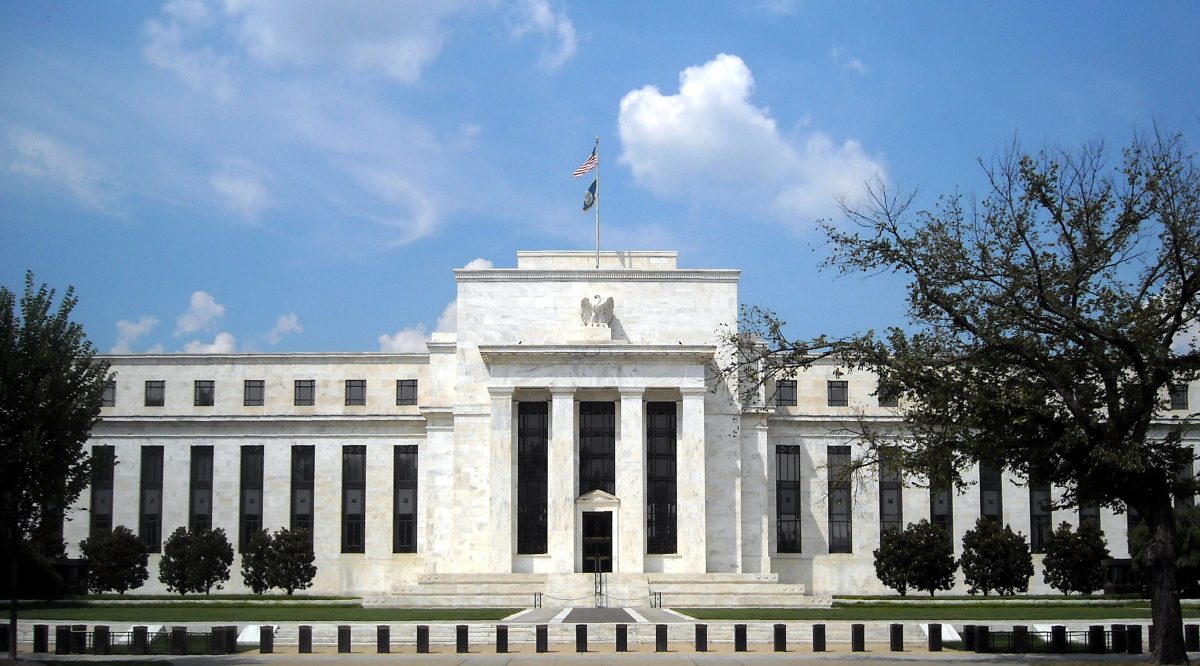
- Stake. The stronger-than-expected report complicates Federal Reserve Chair Kevin Warsh’s task at the June FOMC meeting: a resilient labor market leaves less room to cut rates even as inflation remains above target and energy costs stay elevated from the Middle East conflict.
The numbers that surprised
The Bureau of Labor Statistics reported on June 5 that nonfarm payrolls rose by 172,000 in May, nearly twice the consensus estimate of 85,000. The unemployment rate held steady at 4.3%, while the labor force grew modestly — 83,000 people entered employment or began searching for work during the month. Job gains for March and April were also revised upward, reinforcing the picture of a labor market that has not yet buckled under the weight of the Iran war-driven oil shock and tariff pressure.
Restaurants and bars led sectoral growth, adding 48,000 jobs. Local government and healthcare were also among the top contributors, according to reporting from NPR based on the BLS release. The broad-based nature of the gains — spanning leisure, government services, and healthcare — suggests the shock absorption seen in April’s data was not a one-month anomaly.
The wage gap that matters for policy
The headline jobs number masks a persistent pressure point: wages are not keeping pace with prices. Average hourly earnings rose 3.4% over the twelve months ending in May, while consumer prices through April were running at 3.8% annually. That gap — now in its ninth consecutive month — means purchasing power is still eroding for most households, even as employers hire.
The divergence puts the Federal Reserve in a difficult position ahead of its June meeting. Warsh’s first FOMC meeting had already framed the jobs report as a key test of the Fed’s resolve on inflation. With the labor market stronger than expected, the case for rate cuts weakens further — but with real wages negative and oil-driven inflation squeezing consumers, the case for cuts on growth grounds has not disappeared either.
What comes next: May CPI and the June FOMC
The Labor Department is scheduled to release May inflation data next week, giving the Federal Open Market Committee its final major data point before the June rate decision. Markets had been pricing in a small probability of a rate cut at June’s meeting; that probability fell sharply after Friday’s payrolls release.
The energy channel remains the primary transmission mechanism from the Middle East conflict to US prices. Brent crude has traded above $90 per barrel for much of the past three months, feeding through to transportation, manufacturing input costs, and — with a lag — services. Until that channel closes, a labor market running above trend is less a sign of economic health and more a pressure cooker for inflation that a tight-money Fed will find difficult to ignore.