
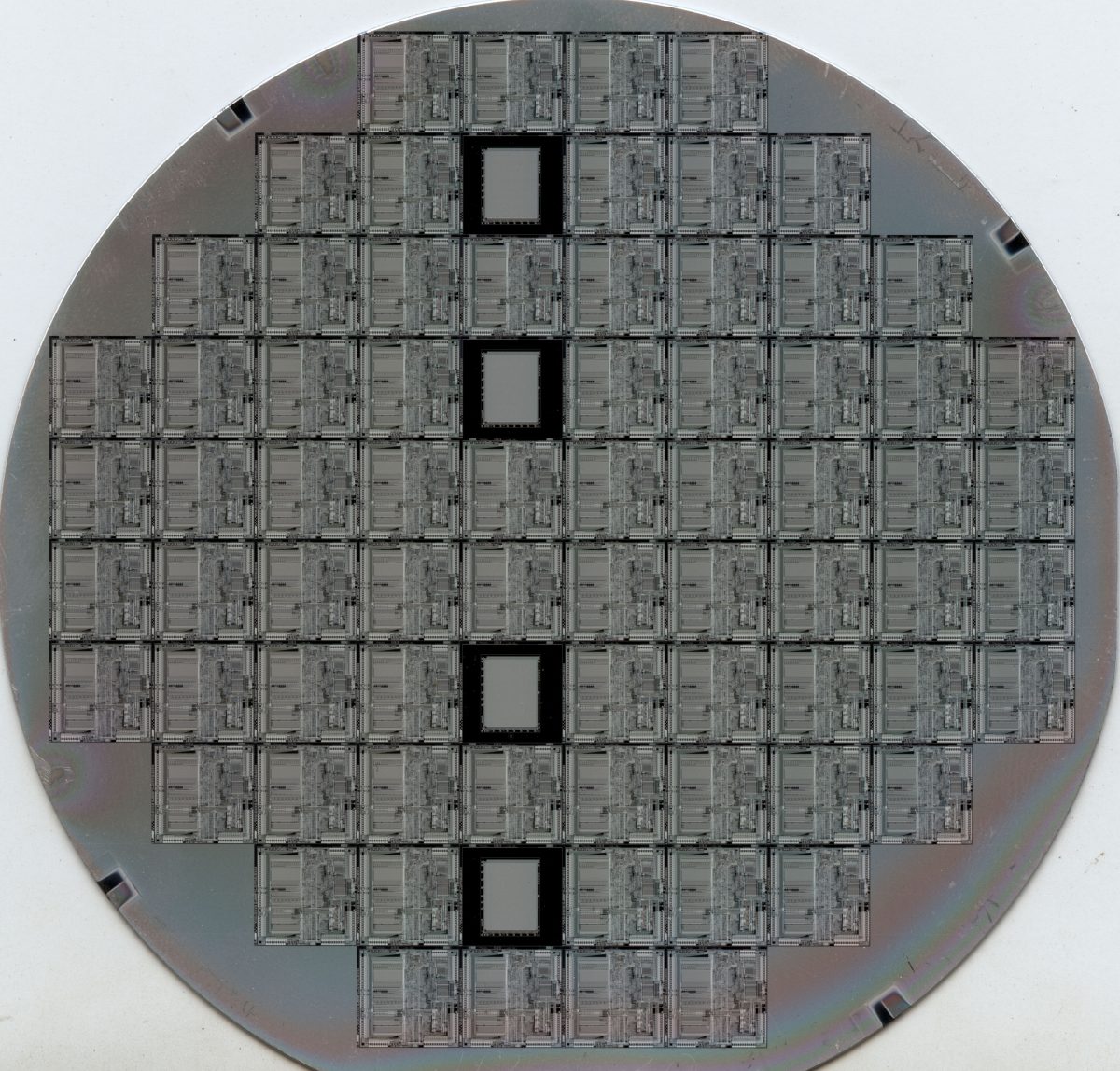
- Lead. The PHLX Semiconductor index fell 5.3% on June 29, 2026 — its fifth consecutive day of losses — as reports that OpenAI could delay its IPO to 2027 amplified existing investor doubt about near-term AI revenue, sending Micron Technology down 6.7% and AMD off 2.1%.
- Fact. For the week ended June 27, the Nasdaq Composite fell 4.6% — its worst weekly performance since April 2025 — while the S&P 500 shed 2.0% and money rotated into defensive sectors: real estate gained 1.4% and consumer staples climbed 1.0% on June 29 alone.
- Stake. The combined 2026 capital expenditure commitments of Microsoft, Alphabet, Amazon, and Meta have exceeded $452 billion; institutional investors are increasingly pressing those companies to demonstrate concrete AI revenue to justify that outlay.
The semiconductor rout
The PHLX Semiconductor index, which tracks the major US chipmakers, declined 5.3% on June 29, marking its steepest single-day loss in the current down leg. The proximate trigger was a report that OpenAI — whose September IPO had been a key catalyst for AI sector enthusiasm — was considering pushing its public offering to 2027. That report, cited in Yahoo Finance’s June 29 market recap, reinforced a broader reassessment of whether the AI investment cycle is translating into revenue fast enough to justify current valuations.
Micron Technology (MU) fell 6.7% on June 29, extending a significant pullback from earlier highs. AMD shed 2.1%. The Nasdaq Composite, which closed at 25,297.62, recorded its fifth consecutive session of losses — a streak that has accumulated into a 4.6% weekly decline. The S&P 500 ended June 29 at 7,353.95, off less than 0.1% on the day but 2.0% lower for the week. The Dow Jones Industrial Average, less exposed to technology, gained 0.6% for the week, closing at 51,876.11 on June 29.
Rotation to defensives
The other side of the AI selloff is a rotation into sectors that have underperformed during the semiconductor rally. On June 29, Moderna (MRNA) surged 12.6% on positive clinical data, while Eli Lilly (LLY) gained 7.1% as investor appetite for pharma and biotech displaced appetite for chips. The Real Estate Select Sector SPDR (XLRE) added 1.4% and the Consumer Staples SPDR (XLP) rose 1.0%, with institutional money seeking lower-volatility assets at the tail end of what has been a turbulent quarter for growth names.
The VIX — the Cboe volatility index — fell 2.54% to 18.41 on June 29, suggesting that while the selling was persistent, it was not driven by panic. That is consistent with a deliberate repositioning rather than forced liquidation. University of Michigan consumer sentiment, released separately on June 27, rose to 49.5 from 44.8, beating the consensus forecast of 49.0, offering some evidence that the real economy has not yet absorbed the financial-sector turbulence in a significant way.
The AI spending question
Beneath the week’s price action lies a more structural debate. The four largest US technology companies spent a combined total exceeding $452 billion on capital infrastructure in 2026 — data centres, chips, power, and connectivity — in anticipation of AI revenue that has not yet arrived at the scale that would justify the investment. The semiconductor sector has been priced as the pick-and-shovel beneficiary of that wave. As investors scrutinise whether monetisation is on track, the cracks in the AI chip trade have spread beyond the US market: South Korea’s KOSPI fell nearly 10% earlier this month as the rally in memory stocks unwound. The US index has so far held up better, but the June sell-off has narrowed that distinction.