
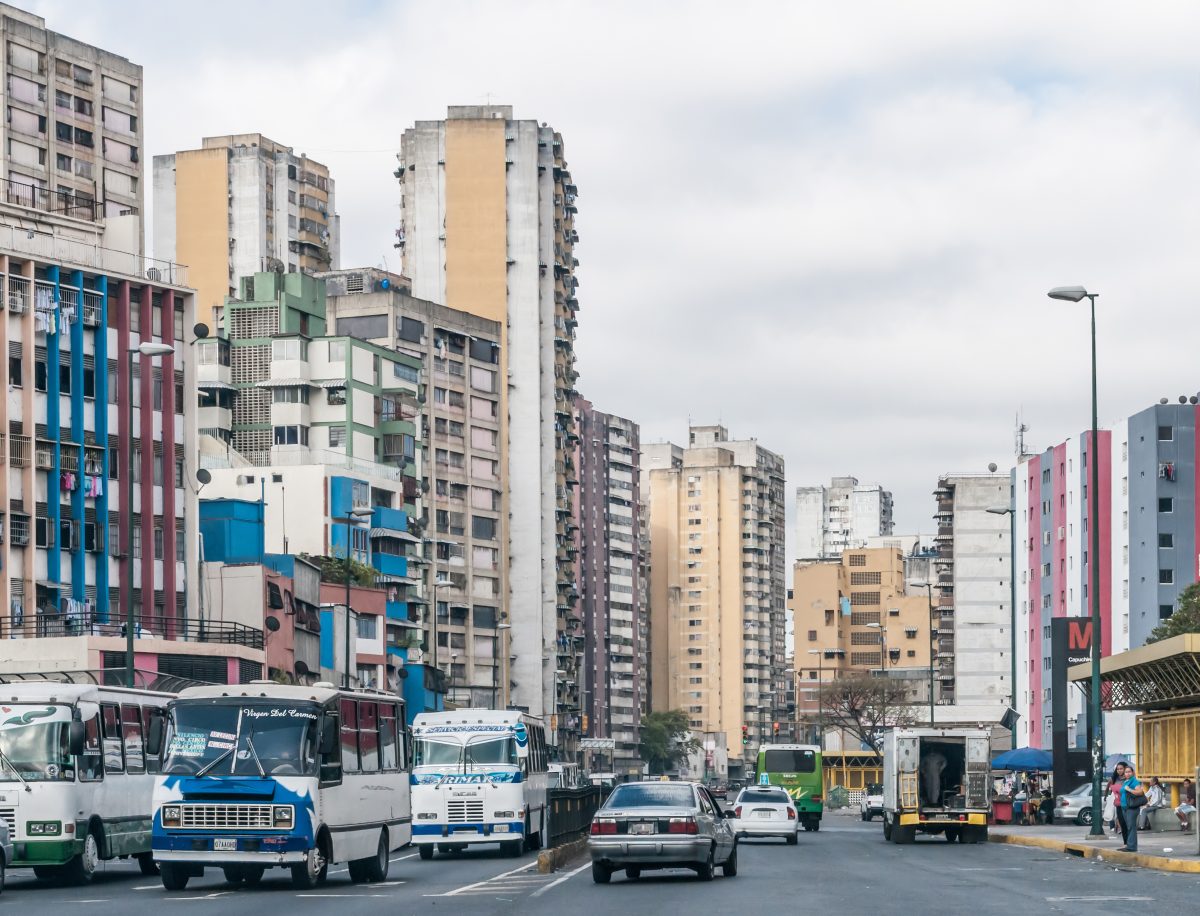
- Lead. Two earthquakes struck north-western Venezuela 39 seconds apart on 24 June, killing at least 235 people and injuring more than 4,300 in the country’s worst seismic event since 1900.
- Fact. The 7.5 magnitude mainshock destroyed over 100 buildings in the coastal state of La Guaira, damaged the Caracas airport, and forced a shutdown of the capital’s gas network and metro.
- Stake. Venezuela’s political and economic fragility complicates a rescue operation now drawing teams from over 40 countries, even as the confirmed missing count exceeds 40,000.
A double blow in 39 seconds
At 18:04 local time on 24 June, a 7.2 magnitude foreshock struck near San Felipe in Yaracuy state, hitting the corridor between the Andes foothills and the Caribbean coast. Thirty-nine seconds later a 7.5 magnitude mainshock followed at a shallower depth of 10 kilometres, delivering a sustained assault residents described as unlike anything they had felt before. According to the US Geological Survey, the sequence was Venezuela’s most powerful seismic event since a magnitude 7.7 struck in 1900.
The coastal state of La Guaira bore the heaviest losses. More than 100 buildings collapsed there, and the state’s main airport — the primary entry point for Caracas — sustained structural damage that closed runways to commercial traffic. In the capital itself, the municipalities of Los Palos Grandes and Altamira recorded dozens of building failures, while the Caracas Metro suspended all services as engineers assessed track integrity. The affected states also include Trujillo, Carabobo, Aragua and Miranda.
A government managing a catastrophe
Acting President Delcy Rodríguez declared a state of emergency and ordered the gas network shut down to prevent secondary explosions. Field hospitals were deployed through the armed forces, and schools across the affected region were closed indefinitely. The government announced a $200 million reconstruction fund, though the source of that financing was not confirmed in official statements.
Venezuela’s National Assembly president put the confirmed death toll at 235 killed and more than 4,300 injured, with over 40,000 people listed as missing — a figure that has not been independently verified and may reflect overlapping records across different registries. The USGS PAGER casualty model placed the plausible range significantly higher, though Venezuelan authorities have not publicly referenced that projection.
The scale of destruction is already drawing regional comparisons. A June earthquake off Mindanao in the Philippines also triggered tsunami warnings and a major international response, though Venezuela’s event is larger in both magnitude and early casualty counts.
International rescue effort assembles
More than 40 governments and organisations moved within hours to offer assistance. France dispatched 85 rescue specialists; Switzerland committed 80 workers; Chile sent 37 fire department rescuers; and FEMA deployed task forces from the United States. Spain, Germany, the Netherlands and Canada also announced teams. The IMF confirmed a $200 million emergency disbursement — the first significant multilateral financial support Venezuela has received in years.
Delivery faces complications. La Guaira’s airport damage limits air cargo capacity at the main coastal gateway. Roads through the Caracas–La Guaira mountain corridor face landslide risk following ground disruption from the mainshock. Aid agencies operating in Venezuela have previously encountered access difficulties tied to the country’s governance environment, and those conditions have not changed with the earthquake.