
- Lead. President Trump left Beijing on Friday after two days of talks, with China committing to purchase 200 Boeing aircraft, Nvidia winning approval to sell H200 chips to Chinese firms, and Xi Jinping accepting an invitation to visit Washington this autumn.
- Fact. China offered a commitment to pressure Iran to lift its blockade of the Strait of Hormuz — but the language from Beijing remained vague, and analysts characterised the overall outcome as underwhelming.
- Stake. Taiwan remained the sharpest unresolved issue: Xi warned explicitly against US-China conflict over the territory, while Secretary of State Rubio reaffirmed that American policy toward the island is unchanged.
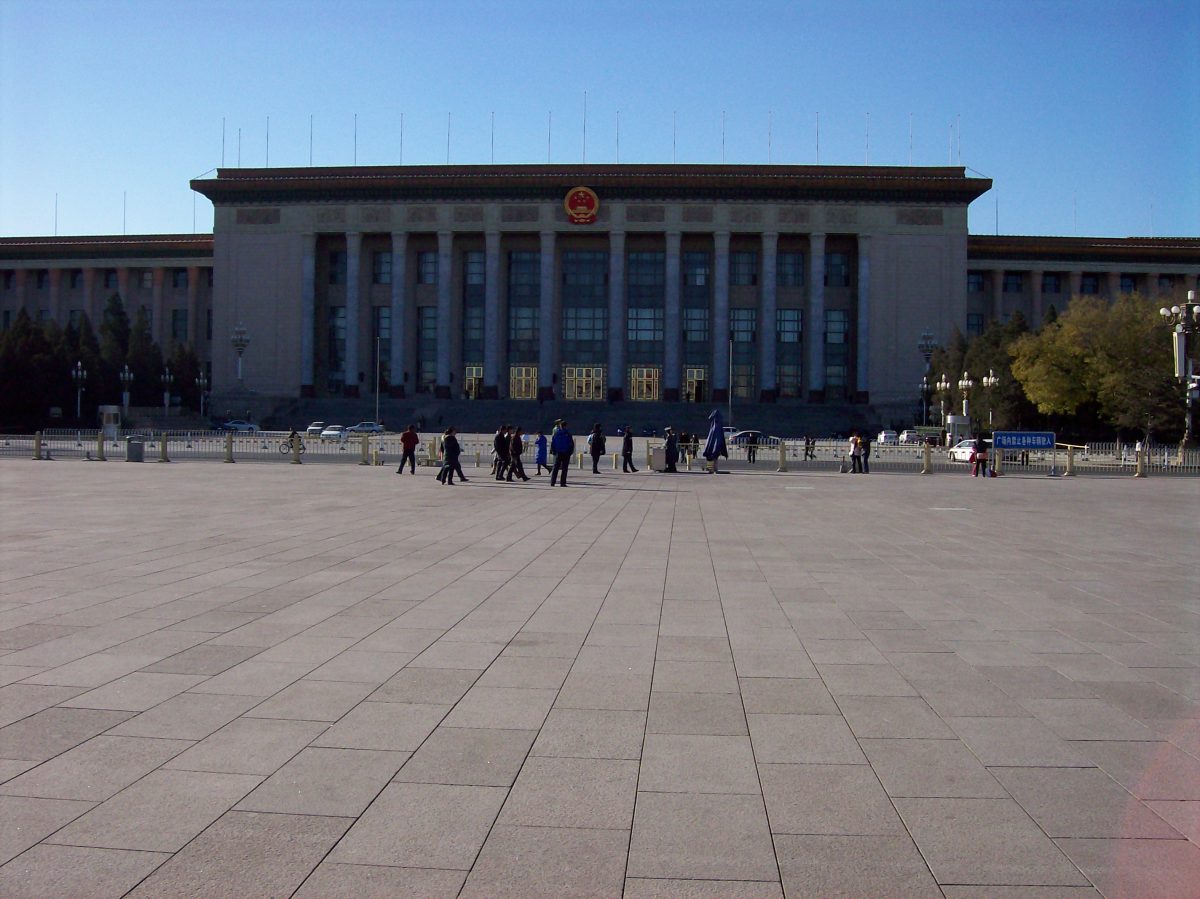
The two-day summit at Zhongnanhai Garden in Beijing concluded on Friday with a handful of concrete deliverables and a broader sense — captured in NBC’s live coverage — that Trump had returned to Washington with few clear wins. Trump struck a warmer note: “This has been an incredible visit, and I think a lot of good has come of it,” he told reporters before departing.
As the summit opened earlier this week, the agenda was already crowded: trade, technology controls, Taiwan, the Iran war, and the closure of the Strait of Hormuz all demanded attention. What emerged by Friday fell short of the sweeping framework that some officials had previewed.
Boeing, chips, and commodities
China agreed to purchase 200 Boeing aircraft — more than the 150 units the company had expected, but well short of the 500 planes some had anticipated at the outset. Nvidia received a green light to resume sales of H200 processors to major Chinese technology companies, a significant reversal for the chipmaker following a sustained period under export controls. China also committed to additional purchases of US soybeans, oil, and liquefied natural gas, rounding out a package that both sides framed as progress on trade.
The Iran question and the Strait
The most strategically significant element of the talks centred on the Strait of Hormuz, effectively closed to international shipping since the US-Iran conflict began in late February. Trump secured what he described as a Chinese commitment to press Tehran to lift the blockade. “We want the Straits open, and we want them to get it ended because it’s a crazy thing,” he said. Both governments agreed in their joint statement that Iran can never be permitted to acquire a nuclear weapon.
Whether Beijing’s commitment translates into meaningful pressure on Tehran is the central uncertainty. The Strait has been the war’s most dangerous economic front since fighting began, carrying roughly a fifth of global oil and gas. China imports heavily through it, giving Xi a genuine interest in reopening — but Beijing has historically avoided publicly coercive postures toward Iran.
Taiwan and the autumn summit
Xi offered the summit’s sharpest language on Taiwan, warning Trump directly against a potential conflict over the territory China claims. Secretary of State Marco Rubio reiterated that US policy is unchanged, reflecting the limits of what the talks could accomplish on the issue both governments have identified as existential. Xi will visit the White House for a state dinner in late September, giving both sides a second formal moment to address what Beijing and Washington could not resolve this week.