
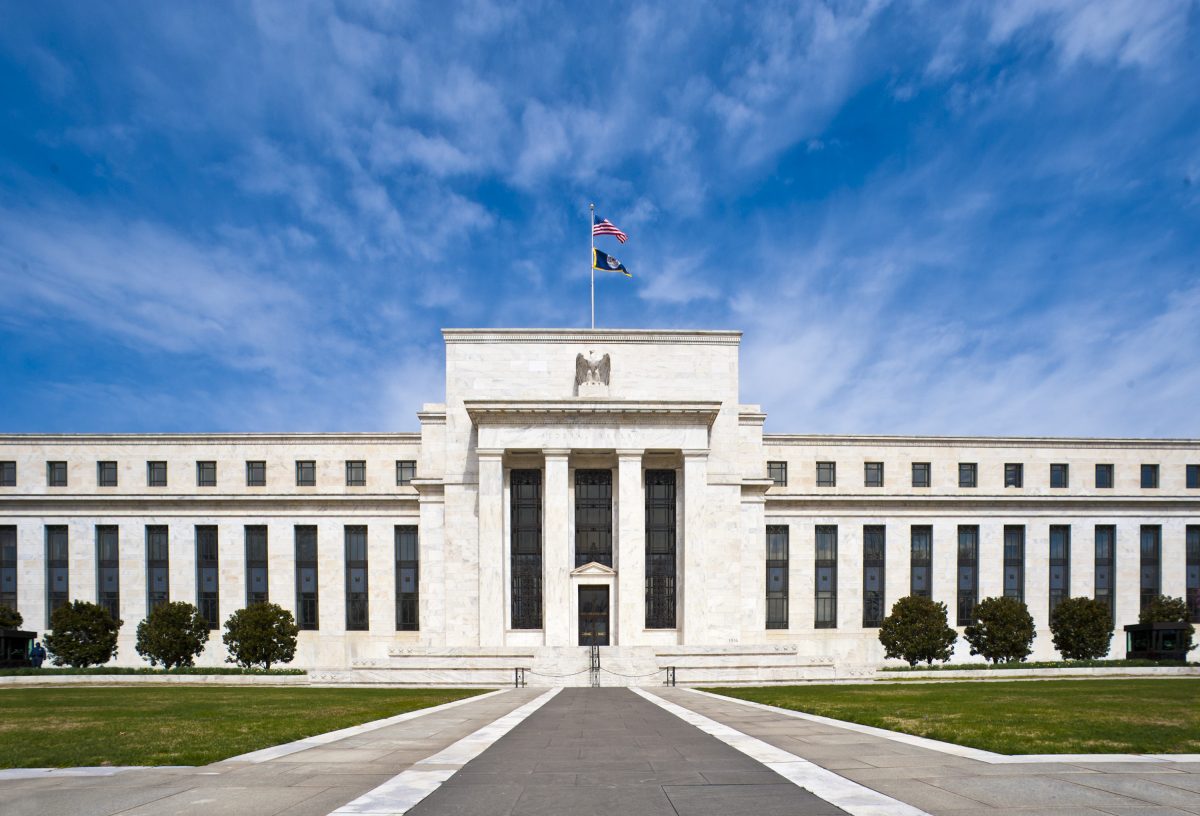
- Last clean read. The Bureau of Economic Analysis releases October personal income and spending data at 8:30 a.m. ET Wednesday—the last major inflation report before the Federal Reserve’s December 9 policy decision.
- Consensus forecast. The Federal Reserve Bank of Cleveland’s nowcast model, updated November 16, estimates October headline PCE inflation at 3.8 percent year-on-year, up from 3.6 percent in September, with core PCE rising to 3.2 percent from 3.1 percent.
- Hike odds at 87 percent. Options markets are pricing approximately 87 percent odds of a rate increase at the December meeting, according to Kalshi, following Governor Christopher Waller’s call for a 50-basis-point move earlier this month.
Federal Reserve officials and market participants are watching Wednesday’s October PCE release with unusual attention, knowing it will largely shape the internal debate inside the Federal Open Market Committee before its December 9 meeting. The October figures cover the period after the latest round of Iranian-driven energy price increases and would, if they confirm the Cleveland Fed nowcast, give the committee a third consecutive month of above-forecast inflation readings to weigh. The report also arrives alongside the BEA’s second estimate of third-quarter GDP growth, with Wall Street consensus expecting approximately 2.8 percent annualised.
What the data may show
The Federal Reserve Bank of Cleveland’s inflation nowcast, updated on November 16, estimated that headline PCE inflation for October would print at 3.8 percent year-on-year. The September reading, released October 29, came in at 3.6 percent for the headline and 3.1 percent for core—each rising from the prior month on both a monthly and annual basis. If the October figure confirms the nowcast, it would mark the highest annual rate for headline PCE since October 2025 and would reinforce the case that the last mile of disinflation is proving especially sticky. Oxford Economics, in a November 16 briefing, attributed the latest upward pressure to energy costs tied to the Iran conflict spilling into food and core goods prices.
Governor Christopher Waller said earlier this month that he favoured a 50-basis-point increase in December, calling it a way to signal that the committee is serious about price stability. That statement was unusual in its candour and pushed up market rate expectations sharply, as this publication covered in depth in its analysis of Waller’s remarks. Most other FOMC members who have spoken publicly have pointed toward a standard 25-basis-point increment, though they have not definitively ruled out a larger move.
December in focus
Kalshi’s prediction market was showing approximately 87 percent odds of a December hike before Wednesday’s release. CME FedWatch data showed similar figures at roughly 88 percent. The 10-year Treasury yield held near 4.92 percent, well above the 4.5 percent level that prevailed before the October CPI report, reflecting persistent concerns that the Fed’s tightening cycle has further to run. The effective federal funds rate stood at 3.88 percent for the week of November 23, according to the Fed’s H.15 release, within the committee’s current 3.75–4.00 percent target range.
The personal income and outlays release, published alongside the PCE figures, will also show whether household spending maintained momentum after the September retail sales report showed only a 0.2 percent monthly gain. Consumer spending has accounted for nearly 80 percent of GDP growth over the past four quarters, according to the National Retail Federation, and any sign of weakening in October could give dovish FOMC members an argument for a smaller December hike. The data are due at 8:30 a.m. ET.