
- Russia has dramatically intensified drone strikes on Ukraine’s electricity grid as sub-zero temperatures arrive.
- Overnight attacks disrupted power in at least five regions, forcing rolling blackouts for millions of civilians.
- German Chancellor Friedrich Merz says Moscow is “escalating” rather than moving toward negotiations.
Ukraine entered another dangerous winter week as Russian drone and missile salvos swept across at least five regions, knocking out substations and plunging cities and towns into darkness. The attacks follow a pattern of intensifying strikes on civilian energy infrastructure that has characterised Moscow’s approach since late autumn.
Kryvyi Rih Loses Power and Transport
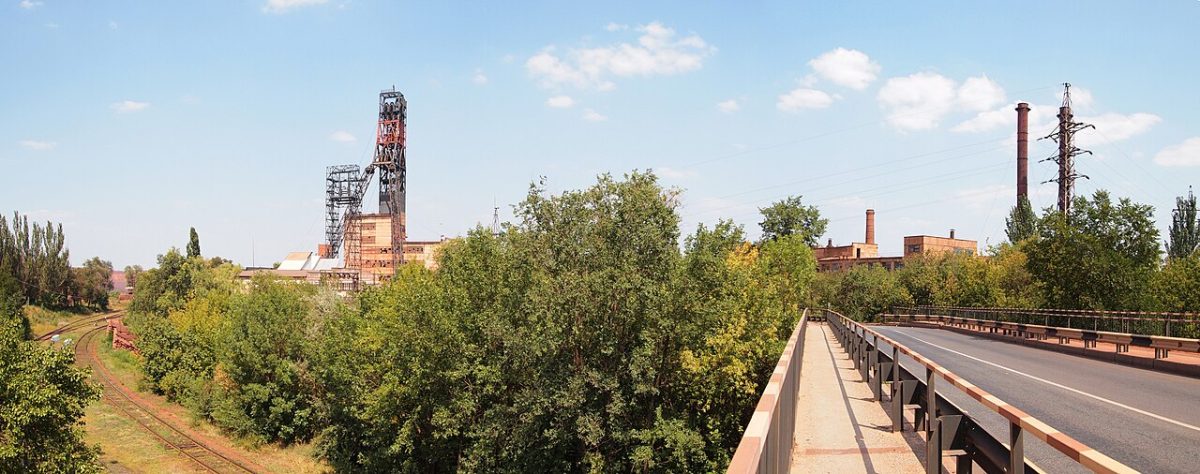
The industrial city of Kryvyi Rih — birthplace of Ukrainian President Volodymyr Zelensky — took some of the heaviest recent blows. Local defence council head Oleksandr Vilkul reported that overnight strikes knocked out electricity and halted the city’s electric public transport, forcing residents to rely on diesel generators while temperatures fell below freezing, according to CNBC reporting on 26 November 2026.
An earlier drone raid on 10–11 November had already struck Kryvyi Rih’s power distribution network, cutting electricity to roughly 45,000 household subscribers and trapping nine miners underground at a local colliery. All nine were rescued unharmed, Pravda.ua reported, but emergency repair teams worked for days to restore service across affected neighbourhoods.
The November raids exemplify a strategy analysts describe as “infrastructure exhaustion” — overwhelming Ukraine’s power engineers with repeated, geographically dispersed strikes faster than repairs can keep pace with the damage.
Allies Warn of Deliberate Civilian Targeting
Speaking in Berlin, German Chancellor Friedrich Merz said Russia was “escalating” its threats rather than signalling any intent to negotiate. His remarks came as NATO foreign ministers reviewed the alliance’s eastern posture and as Donald Trump and NATO Secretary-General Mark Rutte met at Mar-a-Lago to discuss allied defence production commitments.
Trump said the Florida talks yielded “tremendous progress” on deliveries of Patriot and THAAD air-defence systems and Tomahawk cruise missiles, but offered no timeline for getting that hardware to Ukrainian front-line units. Meanwhile, humanitarian organisations warned that a second consecutive winter of heavy strikes poses an acute survival risk for the elderly and medically vulnerable, with the UN estimating that roughly 40 per cent of Ukraine’s pre-war generating capacity has been destroyed or severely damaged since October 2022.
Ukraine Races to Harden the Grid
Ukraine’s energy minister has urgently requested mobile gas turbines, spare high-voltage transformers and switchgear from European partners ahead of the January deep-freeze. Emergency repair crews have worked around the clock since the latest wave of attacks began, but officials warn that some components take months to manufacture and cannot be replaced quickly even with allied goodwill.
Kyiv’s response strategy combines dispersed emergency generators for hospitals, schools and water pumping stations with expanded air-defence coverage around critical substations. Ukraine’s air force said it intercepted the majority of drones in the latest overnight salvo, but enough got through to cause “significant” grid damage across the affected regions. Poland and the Baltic states have offered emergency electricity flows through the European interconnect grid, though voltage stabilisation on Ukraine’s partially isolated western system remains fragile.
The Stakes This Winter
Russia has not publicly commented on specific strikes. Moscow routinely insists it targets “military infrastructure” — a characterisation Ukrainian authorities and Western governments flatly reject. The latest wave follows a broader escalation this autumn; earlier newanalytica.com reporting documented how a single overnight barrage targeted nine regions simultaneously, pushing grid operators to the edge of system-wide collapse.
Ukraine is pressing for a fresh emergency energy package to be approved at the December European Council plenary. With winter heating demand still rising and repair windows shortening as temperatures drop, the race between Ukrainian engineers and Russia’s drone production lines has become one of the conflict’s most consequential battlegrounds.