
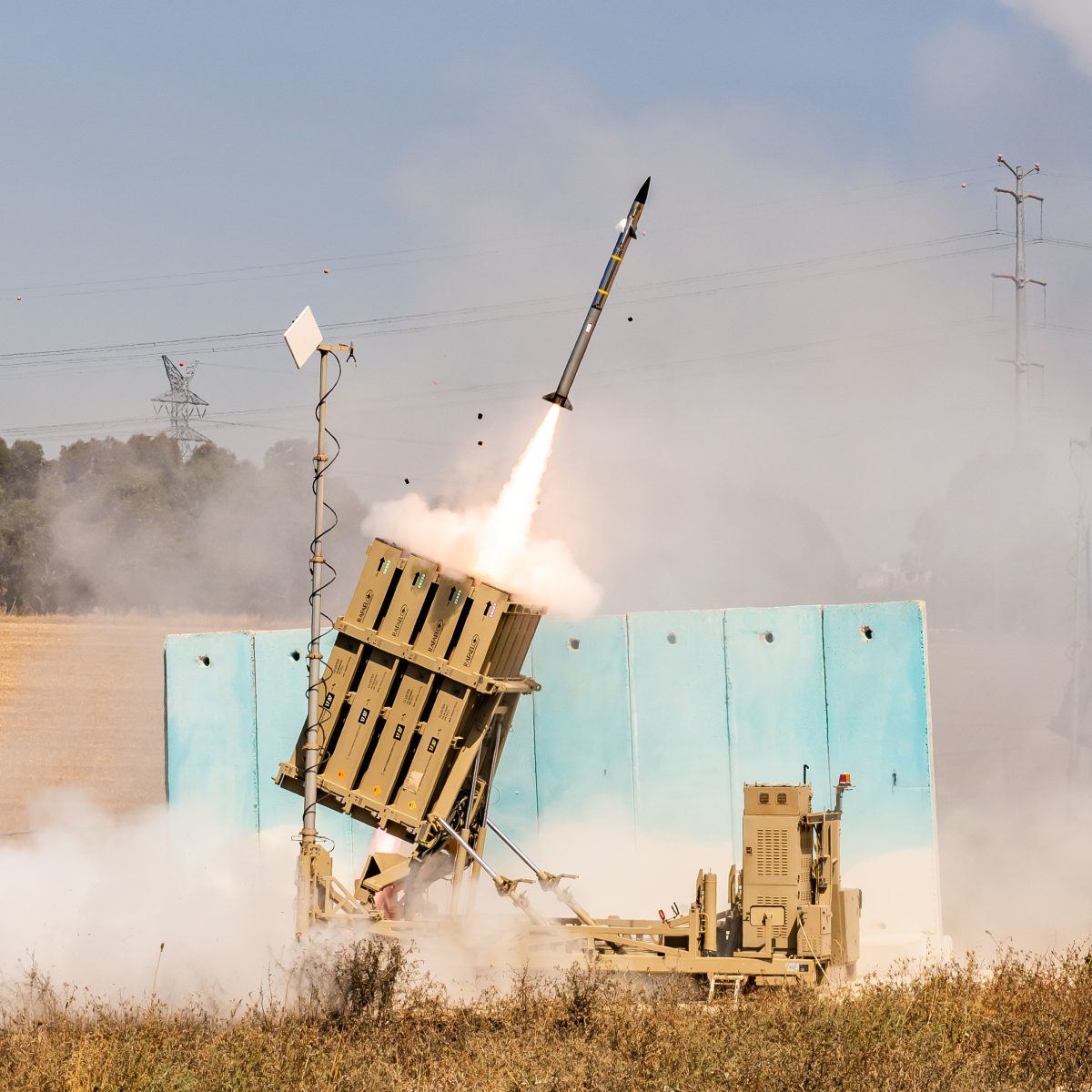
- Lead. Iran launched ballistic missiles at Israel on June 7, the first direct strike since April’s ceasefire took effect, after Israeli jets struck Beirut’s southern suburbs — and then both sides agreed to halt further attacks two days later.
- Fact. Iranian officials said their missiles targeted the Ramat David Airbase in northern Israel; the June 7 strike marked the first direct Iranian ballistic missile attack against Israel since the ceasefire was announced on April 7.
- Stake. The exchange illustrates how fragile the ceasefire framework remains, and how easily tactical escalations can derail the broader US-Iran memorandum of understanding talks centred on reopening the Strait of Hormuz.
The attack followed Israeli airstrikes on Beirut’s southern suburbs, which Iran characterised as targeting civilian areas. Iranian officials warned of further action if Israeli operations in Lebanon continued. The sequence — an Israeli strike, an Iranian counter-strike, then a rapid mutual halt — has now repeated itself multiple times within the same ceasefire framework that was supposed to freeze hostilities across the region.
By June 9, both Tehran and Jerusalem had issued statements agreeing to halt attacks. Oil markets registered the de-escalation immediately: US crude fell 3.4% to $88.20 and Brent shed nearly 3% to settle at $91.45, as traders reduced the probability of a further escalation that would threaten Hormuz shipping.
A ceasefire that keeps fracturing
The April framework has never held cleanly. Earlier this spring, Iran suspended mediator contacts and struck Kuwait after disputes over the sequencing of Strait of Hormuz concessions, testing the patience of the Qatari, Pakistani, and Omani intermediaries whose continued engagement is essential to any lasting deal. The June 7 exchange is the most serious ceasefire violation since April 8, when Israel launched Operation Eternal Darkness in Lebanon hours after the truce was announced.
The pattern — escalation, exchange, pause — has now played out at least three times since April. Each cycle erodes the confidence of third-party mediators and introduces new conditions from both sides ahead of any formal agreement. Analysts cited in the ZeroFox June 2026 geopolitical report described the dynamic as one where a “return to full conflict is unlikely but not improbable — especially if talks collapse or stall into June.”
The MOU under pressure
A 60-day memorandum of understanding has been in near-final form since late May, according to CBS News reporting. The framework would reopen the Strait of Hormuz to unrestricted shipping, lift the US naval blockade on Iranian ports, and open a new round of nuclear talks, in exchange for Iran pledging not to develop a nuclear weapon. Iran would have 30 days to clear the mines it deployed in the strait. Final approval from President Trump remained pending as of late May.
The June 7 missile strike introduced new uncertainty. Each Israeli-Iranian exchange gives domestic hardliners in Tehran additional political leverage against signing a deal that involves nuclear concessions, and gives voices in Washington grounds to argue that Iran cannot be trusted to honour the terms. The June 9 mutual halt is a stabilising signal, but the MOU text is still not finalised, and the next flashpoint in Lebanon or Syria could interrupt the process again. The 60-day window, once agreed, would be the first structured opportunity to move past the cyclical escalation that has defined the conflict since February.