
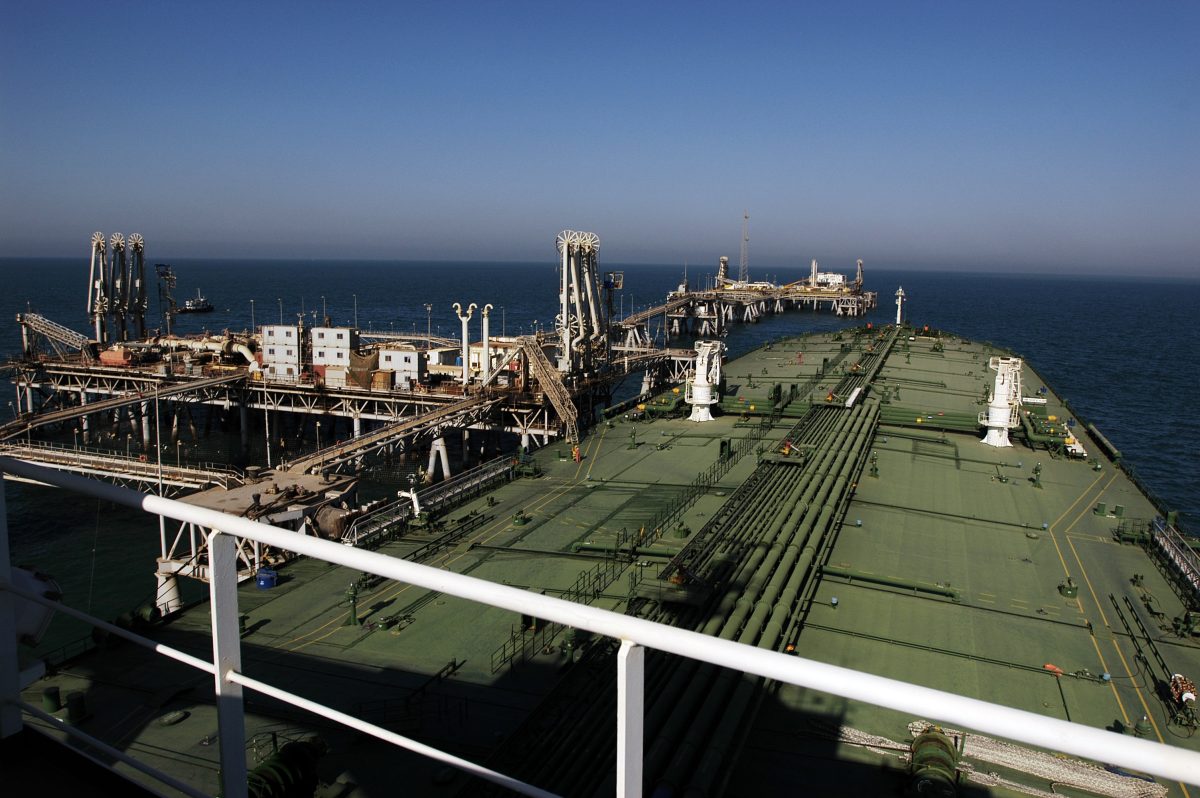
- Lead. US crude futures fell 3.4% to $88.20 a barrel on June 9, the sharpest one-day drop in weeks, after Energy Secretary Chris Wright said ship traffic through the Strait of Hormuz is “rising very meaningfully.”
- Fact. Brent crude shed 2.97%, settling at $91.45, as Iran and Israel agreed to halt their latest exchange of strikes — removing the immediate threat of a further escalation that could have extended shipping disruptions.
- Stake. If Wright’s comments signal genuine policy movement on the strait, the oil market could shed a large part of the war risk premium it has carried since February, relieving inflation pressure on five central banks that are meeting this week.
Wright made the remarks to reporters on June 9, adding that Iranian oil exports through the strait “will continue to rise.” The statement is the first explicit signal from a senior US cabinet official that the effective dual blockade — with the US Navy constraining Iranian exports and Iranian mines restricting international tanker traffic — may be loosening. The US Energy Department declined to provide specific throughput figures, but Wright’s language was unambiguous. CNBC reported that oil futures moved within minutes of his remarks being published.
The fall in crude had already begun the previous session, when reports emerged that Iran and Israel had agreed to cease attacks following the June 7 exchange — a rapid de-escalation that eased the immediate threat of a further widening of the conflict.
From $109 to $88: the price of diplomacy
The crude price trajectory this spring has been volatile. Oil spiked to $109 and equity markets fell in late April when President Trump rejected what had appeared to be a near-final ceasefire deal, then rose further as the naval blockade tightened. Brent peaked above $119 before the latest round of diplomatic activity pulled it back. The decline to $91.45 on June 9 represents a roughly 23% fall from the peak — meaningful in macroeconomic terms, but still leaving Brent about 30% above pre-war levels.
WTI at $88.20 is still elevated enough to sustain the inflation feeds that are driving the ECB to raise rates and keeping the Federal Reserve frozen. Refiners that locked in forward contracts at higher prices will benefit from the spread, but airlines and shipping companies that absorb oil as a direct operating cost will see relief only gradually as the forward curve adjusts.
The strait is not yet open
Wright’s comments notwithstanding, the Strait of Hormuz remains under an effective dual blockade. The pending US-Iran memorandum of understanding, which has been in near-final form since late May, would require Iran to allow unrestricted Hormuz shipping and remove its mines within 30 days of signing. That agreement had not been finalised as of late May. Markets are pricing the probability of a full re-opening in June at below 40%, according to CNBC’s market coverage — meaning Wright’s “rising meaningfully” language could be describing marginal improvements within a blockade that remains structurally in place.
A confirmed reopening would likely push WTI toward $70–75 a barrel, a level that would significantly ease the inflationary dynamics that every major central bank is navigating this week. Until then, each diplomatic signal — and each ceasefire violation — will continue to move crude prices by several percentage points in a single session, as markets price and reprice an outcome that remains binary rather than incremental.