
- Vote. EU foreign ministers are set to adopt a 21st round of Russia sanctions on July 13, 2026, with a hard legal deadline of July 15 — the date for renewing the Russian oil price cap, currently fixed at $44.1 per barrel.
- Scope. The package targets drone component suppliers, nearly 90 additional Russian banks, and shadow fleet vessels that have evaded previous restrictions on Russian oil exports.
- Diluted. Several provisions were stripped or softened after member-state objections, including the removal of Patriarch Kirill and Lukoil founder Vagit Alekperov from the targeted-individuals list.
The European Commission presented the 21st Russia sanctions package in draft form on June 9, 2026, nearly six weeks before the July 15 deadline for renewing the existing oil price cap. EU ambassadors were scheduled to vote on the text at a Coreper session on July 10, with final adoption by foreign ministers planned for July 13, according to European Pravda, which cited EU diplomatic sources.
French Foreign Minister Jean-Noël Barrot confirmed the timeline in a statement made during a visit to Poland, describing the package as one that “will deal a blow to Russia’s financial sector and further reduce energy revenues.”
What the package targets
The core of the package is an expansion of financial-sector restrictions: nearly 90 additional Russian banks are being added to the sanctions list, which would push the total number of sanctioned Russian lenders past 100 — covering more than half of Russia’s internationally connected financial institutions. Export controls are also being extended to dozens of firms in China, Turkey, the UAE, India, Kyrgyzstan, and Kazakhstan that have supplied components used in Russian attack drones, including parts found in Shahed and Geran munitions.
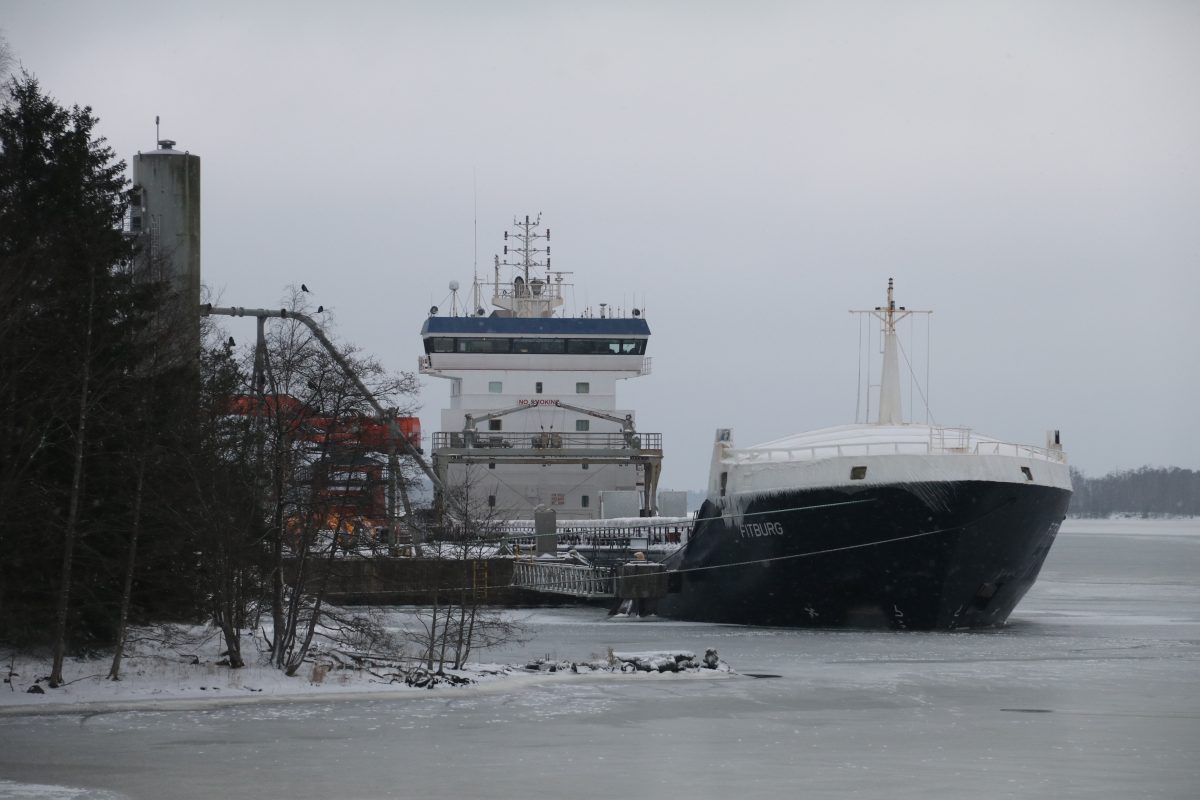
New shadow fleet listings are included alongside restrictions on LNG-related shipping. The shadow fleet — a network of tankers operating under opaque ownership and flag-of-convenience registrations — has been the primary mechanism for Russian crude exports to continue at volumes exceeding the price cap since late 2022. Approximately 30 additional vessels are targeted in this round.
What was dropped
The package arrived at the Council in significantly diluted form after weeks of bilateral negotiations. Bulgaria and Italy successfully blocked the proposed sanctioning of Patriarch Kirill, head of the Russian Orthodox Church, and Vagit Alekperov, the founder of Lukoil. France, Italy, Greece, and Cyprus secured a softening of a proposed blanket entry ban on Russian military combatants, with an exemption pathway introduced for former servicemen. Proposed restrictions on Russian cod imports were dropped following objections from Germany, France, the Netherlands, and Poland; LNG tanker restrictions were scaled back at the insistence of Greece, Cyprus, and Malta.
An EU source told reporters that “differences between member states over key elements were too deep” to preserve the original draft intact. The outcome follows a familiar pattern on previous Russia sanctions rounds: the Commission tables an ambitious text, member states negotiate bilaterally over weeks, and the final vote locks in a more limited version that can secure the required unanimity.
The oil price cap renewal
The July 15 deadline carries legal urgency because the $44.1-per-barrel cap on Russian crude exports expires on that date. Failure to renew it would remove one of the West’s most durable tools for limiting Russian oil revenues since the start of the war in Ukraine. Adopting the 21st package and renewing the cap in a single Council decision on July 13 allows the bloc to bundle both votes, reducing procedural risk of either measure lapsing.
The package will be one of the first to face implementation under Ireland’s rotating EU Council Presidency, which opened on July 1, 2026, with digital and security policy as its stated priorities.