
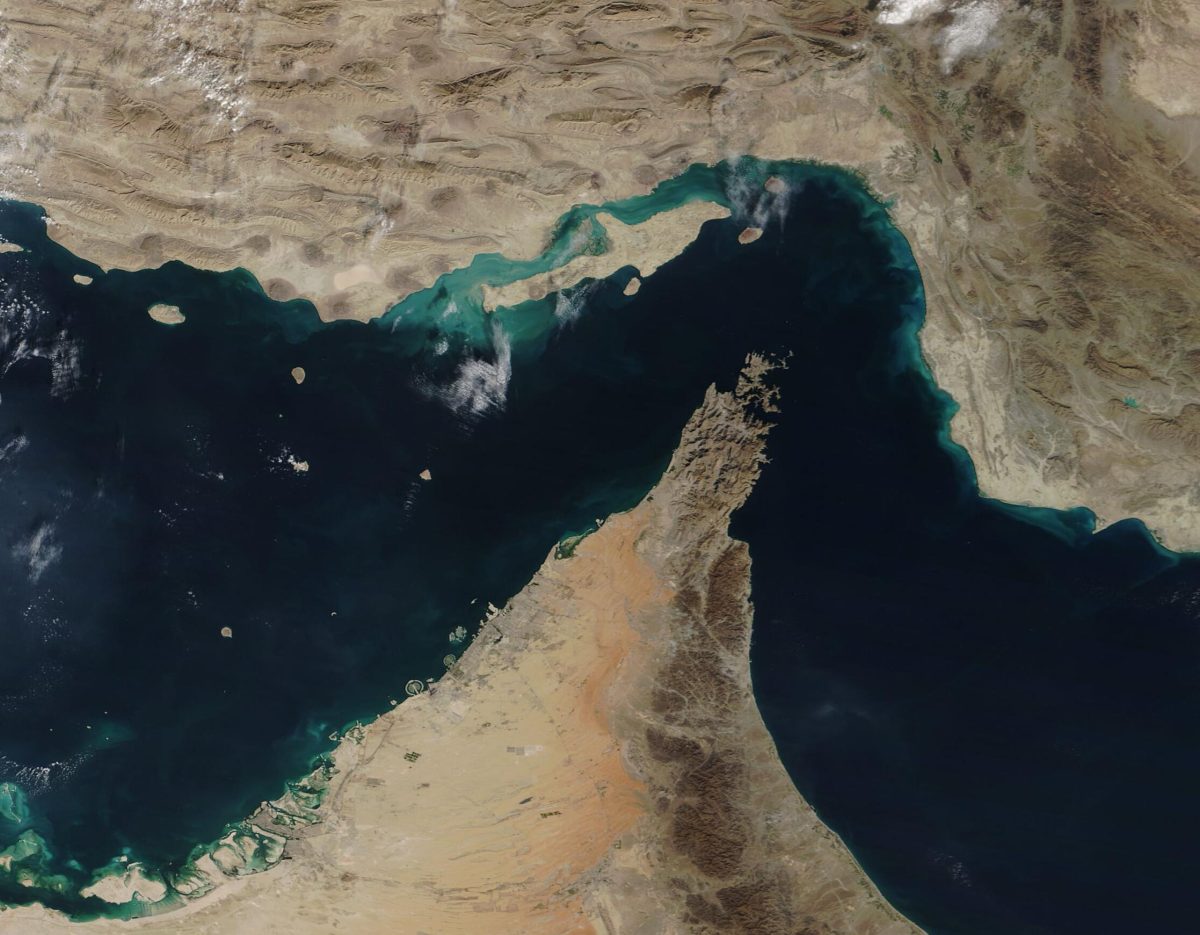
- Lead. Iran and Oman have agreed on the geographic coordinates of proposed shipping lanes through the Strait of Hormuz, the most concrete progress toward reopening the waterway since Iran effectively closed it months ago.
- Fact. The proposed framework includes a 60-day initial arrangement with no transit fees, inbound traffic using Iranian waters and outbound traffic through Omani waters, plus a joint coordination centre for vessel management.
- Stake. Tehran insists the framework alone will not reopen the strait: the US must separately address what Iran calls a violation of the June memorandum of understanding before commercial shipping can resume freely.
Negotiations over the Strait of Hormuz reached a new technical stage this week as Iran and Oman confirmed they had agreed on proposed shipping-lane coordinates. Oman’s Ministry of Foreign Affairs described the talks as “positive and constructive.” Iranian officials told Al Jazeera the discussions were “on the verge of being finalised,” shaped by a framework modelled loosely on the Strait of Malacca’s voluntary-fee system for navigational and environmental services. The strait, through which roughly 20% of the world’s traded oil flows, was effectively closed by Iran when the US-Israeli strikes campaign began in late February.
What the Proposed Framework Covers
Under the arrangement being discussed, inbound vessel traffic would transit through Iranian territorial waters while outbound shipping would follow an Omani coastal lane. A joint Iran-Oman coordination centre would manage maritime traffic and collect vessel information. The 60-day initial period would carry no transit fees, with possible service charges for maritime security and environmental protection considered for any subsequent phase. Naval mine-clearance discussions are also part of the talks, reflecting the practical hazards of reopening a waterway that has seen active military operations.
Washington’s position remains firm against any fee component. “I’m not going to let them charge. Anybody’s going to charge, we’ll charge,” President Trump said this week. Secretary of State Rubio kept the Hormuz technical negotiations separate from the parallel nuclear track. The US demands “total freedom of commercial navigation” without Iranian tolls or approval requirements, insisting any arrangement restore the pre-conflict system where “no party controls the lanes.”
Iran’s Conditions for Washington
Iranian officials are explicit: the Oman agreement, however detailed, does not by itself reopen the strait. Tehran says the US must first address what it describes as American violations of the June memorandum of understanding — a distinct dispute from the shipping-lane technical terms. Iran also insists on retaining a role in managing at least part of the transit process through its own territorial waters, a condition Washington has rejected outright.
The divergence illustrates how the Hormuz crisis has split into two negotiating tracks: a bilateral Iran-Oman technical agreement on physical shipping routes, and a broader Iran-US political argument over fees, sovereignty and the June MOU. The Oman framework offers a path to partial reopening, but resolving the political track — on which earlier ceasefire signals from Tehran proved contingent on US concessions — may take considerably longer than either side’s public statements currently suggest.