
- Lead. Federal Reserve Chair Kevin Warsh’s debut at the Jackson Hole Economic Symposium produced the one outcome markets had hoped to avoid: no clear signal, and a hawkish undertone that sent rate-hike bets for September from 35% to 57% in a single session.
- Fact. The S&P 500 fell 0.25% to 7,711.76; the Nasdaq Composite dropped 0.52% to 26,402.42; and the two-year Treasury yield, the bond most sensitive to near-term rate expectations, rose approximately 8 basis points on the day.
- Stake. A September hike — if it materialises — would be the first increase in this tightening cycle to come under Warsh and would reset rate-cut expectations that had been building all summer, with direct knock-on effects for mortgages, credit card rates and corporate refinancing costs.
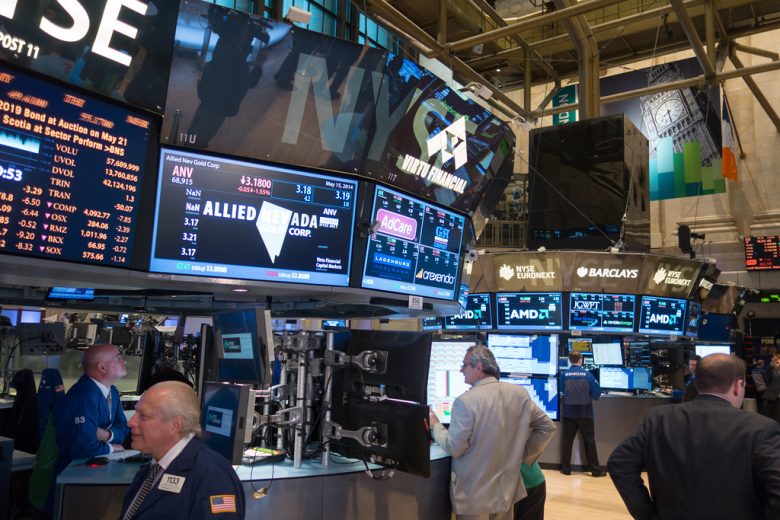
Friday’s session opened with cautious optimism after three indexes had posted weekly gains entering the day. That reversed within minutes of Warsh’s speech concluding. Traders who had positioned defensively ahead of the speech saw their hedges vindicated; those who had bought the dip on rate-cut expectations unwound positions.
The Rate-Futures Move
According to data from the CME FedWatch tool cited by Yahoo Finance’s live market coverage, the probability of a 25-basis-point hike at the September FOMC meeting spiked from approximately 35% at Thursday’s close to 57% by Friday afternoon. The 10-year Treasury yield gained 4 basis points to 4.72%; the 30-year rose 2 basis points to 5.21%. The 30-year had already been under pressure in recent weeks as fiscal concerns compounded rate anxiety.
Tom Essaye of Sevens Report Research captured the anxiety on the trading desk concisely: “We don’t know what’s going on for the first time in well over a decade,” he told clients in a note, referring to the unprecedented opacity of Warsh’s communication style relative to his predecessors at the Fed. The comment reflected a structural shift rather than a single data point: investors who had grown accustomed to decoding Fed language are now navigating a central bank that has explicitly said it will not play that game.
Index Performance and Sector Moves
The Dow Jones Industrial Average barely moved, ending down just 9 points or 0.02% at 53,559.99. The Nasdaq’s sharper decline reflected the relative sensitivity of growth and technology stocks to rate assumptions; high-multiple names that price in years of future earnings are disproportionately hurt by rising discount rates. All three major indexes still finished the week with gains, cushioned by earlier sessions in which softer inflation data had lifted sentiment.
Elsewhere in Friday’s session, PayPal fell approximately 12% after reports that Stripe and Advent International had abandoned a previously reported $50 billion takeover approach. Halliburton added 2% on reports of expanded Venezuela oil production activity. Materials stocks outperformed modestly as gold futures held firm on geopolitical demand.
What Comes Next
The September FOMC meeting is scheduled for September 16–17. Between now and then, the Fed will receive one more monthly jobs report and at least one additional inflation reading. Warsh has given markets no explicit threshold that would confirm or rule out a hike, which means every data release between now and the meeting will be scrutinised with unusual intensity. The Fed’s new practice of fewer, less pre-announced communications — Warsh has also proposed cutting the number of annual FOMC meetings from eight to six — will make that silence louder.