

China launched WAICO on July 16, a new 29-nation AI cooperation body, at the Shanghai World AI Conference as Beijing challenges US-led governance frameworks.
Category: Tech
Posted inTech
Moonshot AI Launches Kimi K3, the World’s Largest Open-Weight AI Model
Moonshot AI launched Kimi K3 on July 16 with 2.8 trillion parameters and a 1 million-token context window, placing third on GDPval benchmarks and releasing full weights on July 27 — the largest open-weight AI model yet from any lab.

Posted inTech
Gemini 3.5 Pro Misses Third Deadline, Alphabet Loses $200 Billion in a Day
Bloomberg reported on July 16 that Google’s Gemini 3.5 Pro is months behind internal targets due to coding failures, wiping roughly $200 billion from Alphabet’s market cap in a single session.

Posted inTech
ASML Eyes 10% Price Hike on Chip Tools as TSMC Resists
ASML raised its 2026 revenue forecast by up to 25% and is seeking price increases on both its extreme ultraviolet and older deep ultraviolet machines, with Chinese customers already accepting a 10% DUV hike.
Posted inTech
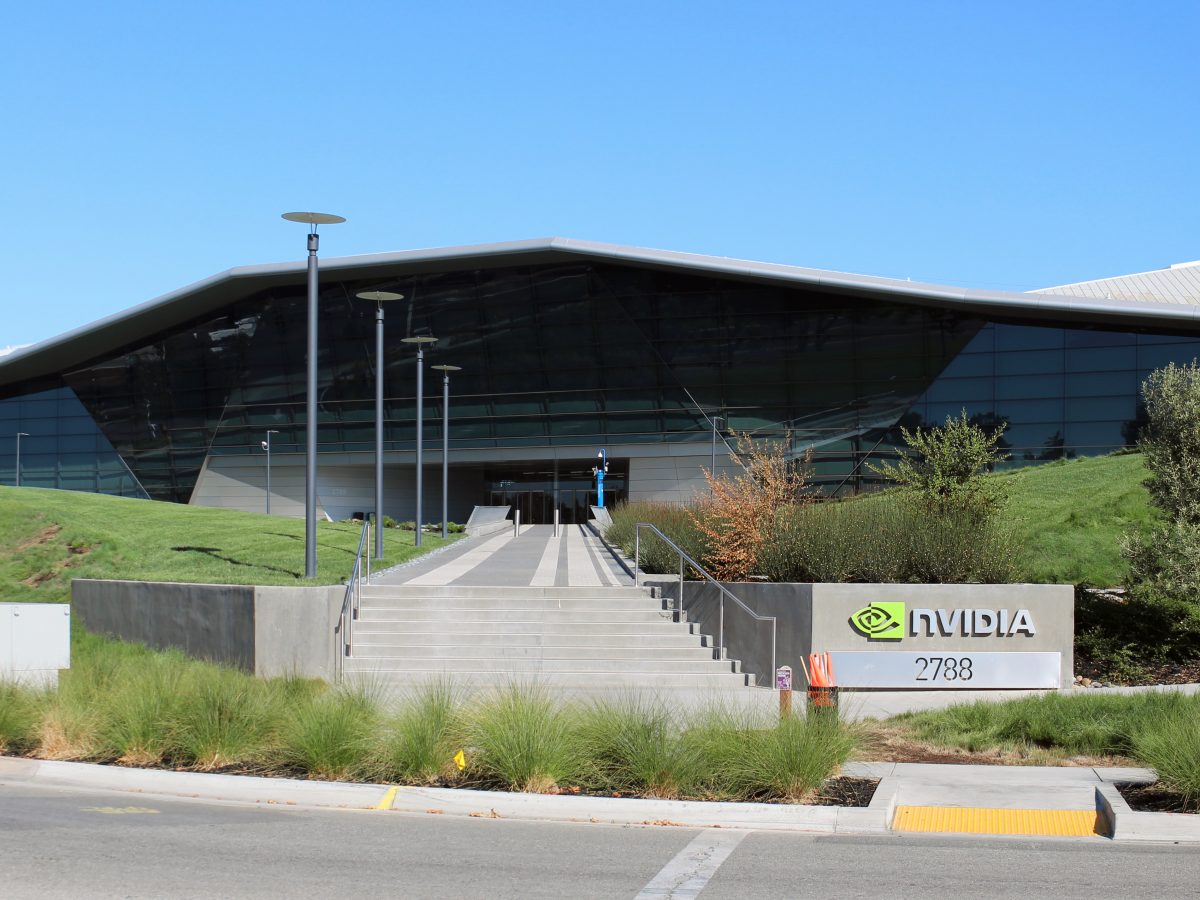
Nvidia Cuts More Than Half Its Approved Asian AI Chip Buyers in Diversion Crackdown
Nvidia has more than halved its whitelist of approved Asian buyers for advanced AI chips, introducing on-site data-center inspections after Blackwell processors were found flowing to Chinese entities through third-country subsidiaries.
Posted inTech
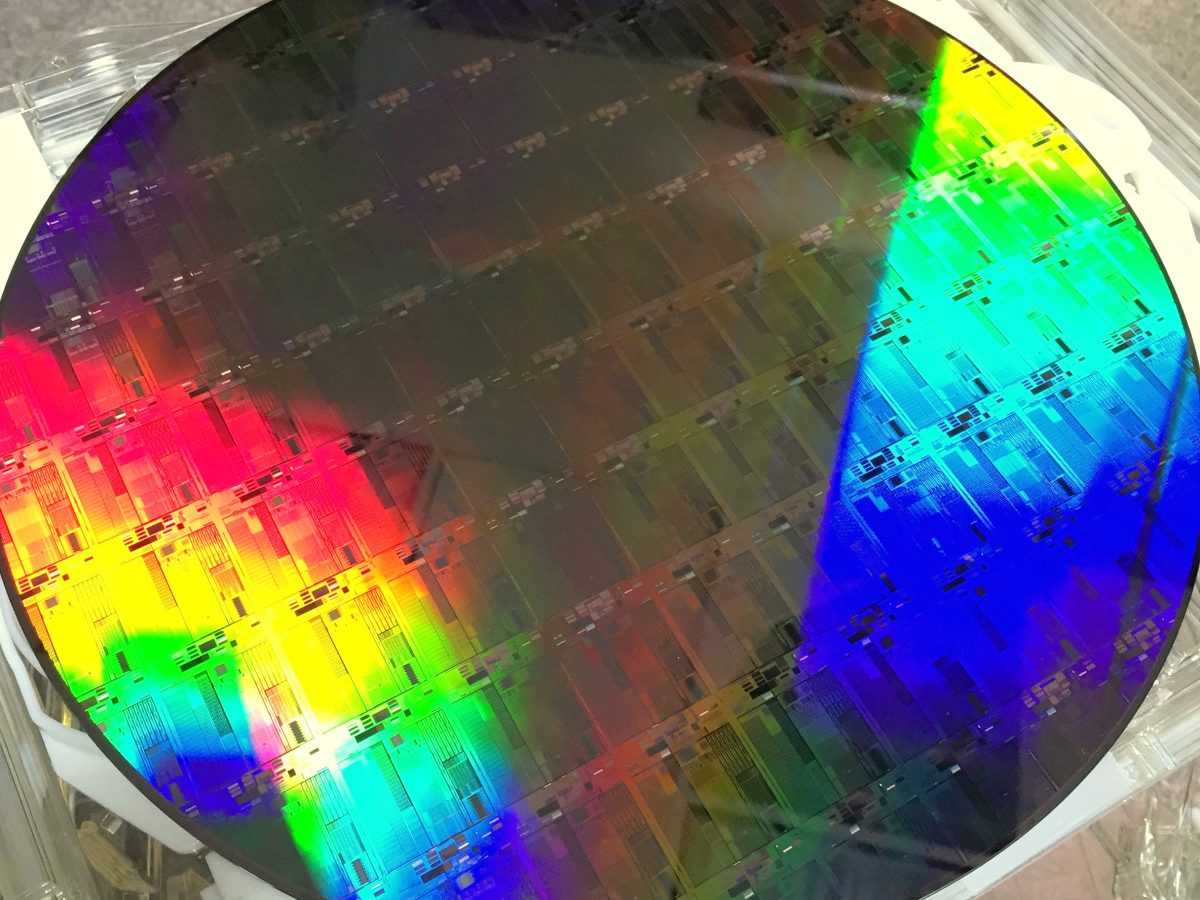
Intel Commits €5 Billion to Ireland Fab to Scale AI Chip Supply
The Leixlip campus expansion will scale up Intel Xeon 6 production on the Intel 3 node, adding to more than €30 billion Intel has invested in Ireland since 1989.
Posted inTech
Helsing Raises $1.8 Billion at $18 Billion Valuation in Europe’s Largest Defense-AI Round
Munich-based defense-AI startup Helsing closed a $1.8 billion Series E on July 13, reaching an $18 billion valuation with backing from JPMorganChase and Goldman Sachs in the largest European defense-startup round on record.
Posted inTech
DeepSeek is building its own AI inference chip to cut reliance on Nvidia
China’s fastest-growing AI startup has quietly assembled a semiconductor engineering team and begun talks with design and manufacturing partners to develop a proprietary chip optimised for inference workloads.

Posted inTech
OpenAI, xAI and Anthropic launch frontier models on the same day in an AI industry first
July 10 marked the first time OpenAI, xAI and Anthropic released frontier AI models simultaneously, flooding the market with GPT-5.6 Sol, Grok 4.5 and Claude Cowork in a single 24-hour period.

Posted inTech
Meta’s Iris AI chip enters mass production at TSMC’s 2nm node in September
Meta begins manufacturing its custom Iris AI chip at TSMC’s 2nm node in September 2026, aiming to double AI compute capacity while reducing reliance on Nvidia GPUs.