
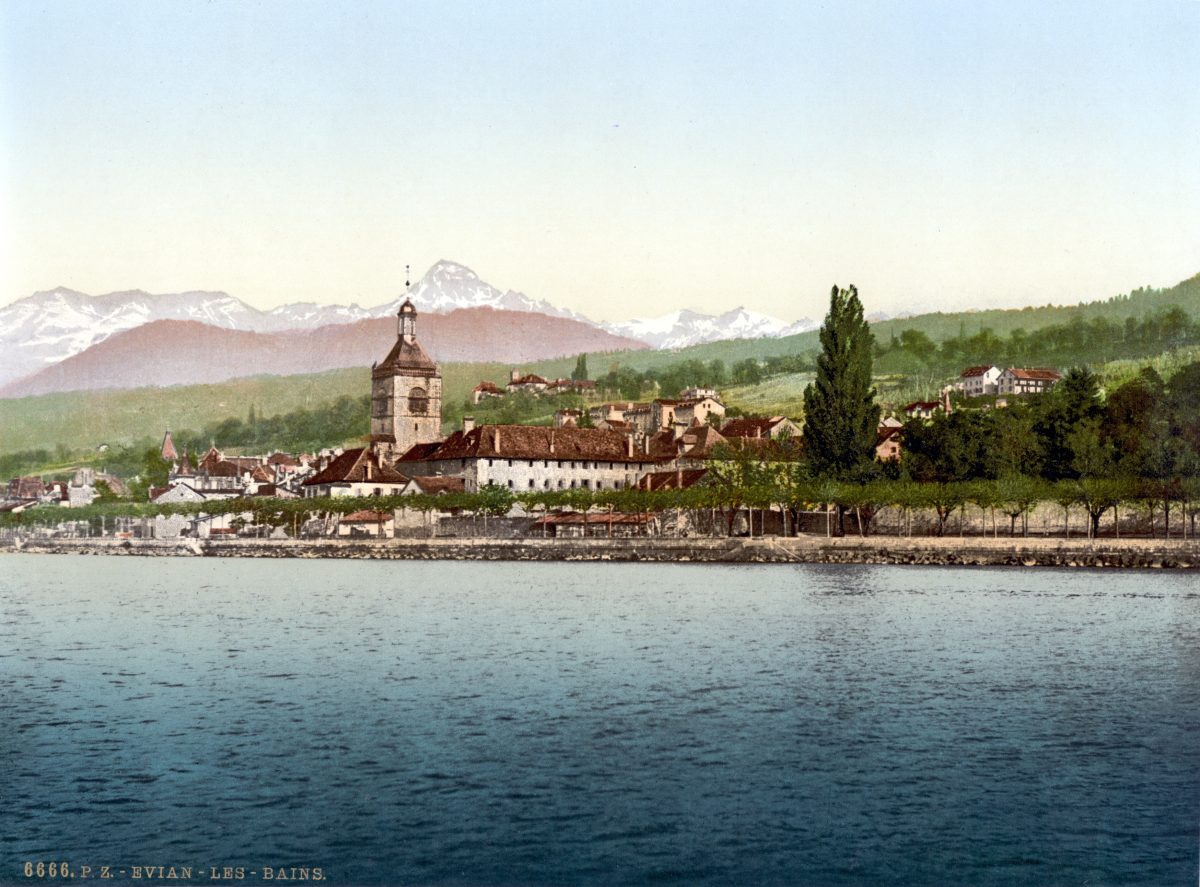
- Lead. G7 leaders opened a three-day summit in Évian-les-Bains, France, on June 15, less than 24 hours after President Trump declared the US-Iran ceasefire deal complete and the Strait of Hormuz set to reopen.
- Fact. French President Macron held a private working dinner with Trump on Monday evening, putting the deal’s implementation — Hormuz shipping terms, Lebanon stabilisation, and nuclear talks — at the top of the agenda.
- Stake. The summit is the first moment the G7 can formally coordinate a post-war order after months of energy shocks and military escalation, with AI governance and global economic imbalances also queued for discussion.
France took the G7 presidency in 2026 with a clear agenda: correct macroeconomic imbalances, build economic security through critical mineral supply chains, and reform international development finance. Those topics did not disappear from the Évian programme. But the Iran deal, announced on June 14, inserted itself as the summit’s organising fact before the first handshake was exchanged.
Macron said G7 leaders would examine the deal’s long-term consequences: the mechanics of Hormuz’s permanent reopening for toll-free shipping, the path to stabilising Lebanon after months of conflict, and the structure of any future accord on Iran’s nuclear and ballistic activities. Pakistan’s Prime Minister Shehbaz Sharif, who served as a key mediator in the negotiations, had announced on June 14 that both sides had declared the “immediate and permanent termination of military operations on all fronts.” The formal signing ceremony is scheduled for June 19 in Switzerland.
Macron’s diplomatic gamble on China
In a move that drew attention before a single session had opened, Macron invited Chinese representatives to participate in a video call during the summit to address global macroeconomic imbalances. The gesture signals Paris’s preference for engagement over exclusion at a moment when China’s trade surplus and its role in critical mineral supply chains are live issues for every G7 economy. It also puts Macron in a delicate position relative to the harder line on China that Washington and several European allies have maintained since the Iran war began.
Artificial intelligence is a second area where Macron has tried to widen the summit’s scope. OpenAI chief executive Sam Altman was invited to participate in AI governance discussions — an unusual step that reflects how thoroughly commercial AI development has moved from the fringes of geopolitical concern to the centre. Earlier this year, Pope Leo XIV warned that the integration of AI into military systems risked driving an uncontrolled spiral of escalation, a view that has found an audience among several G7 delegations pressing for binding international norms.
Ukraine and the limits of the agenda
The war in Ukraine did not wait for the summit to pause. A large-scale Russian attack on Kharkiv on June 14 killed five rescue workers and struck civilian infrastructure in Kyiv. European leaders arrived in Évian with a specific ask: that Trump reaffirm US military and financial support for Ukraine at a moment when Washington has shifted much of that burden toward European partners. The contrast between a ceasefire signed with Iran and a war still burning in Europe sharpens the question of whether the G7 can hold a coherent foreign policy line, or whether the Iran deal represents a bilateral achievement that leaves the multilateral framework strained.
The summit runs through June 17. A communiqué is expected on the final day, though its language on Ukraine, trade, and the Iran deal’s implementation will reflect the distances that remain among leaders who have not all been reading from the same script.