
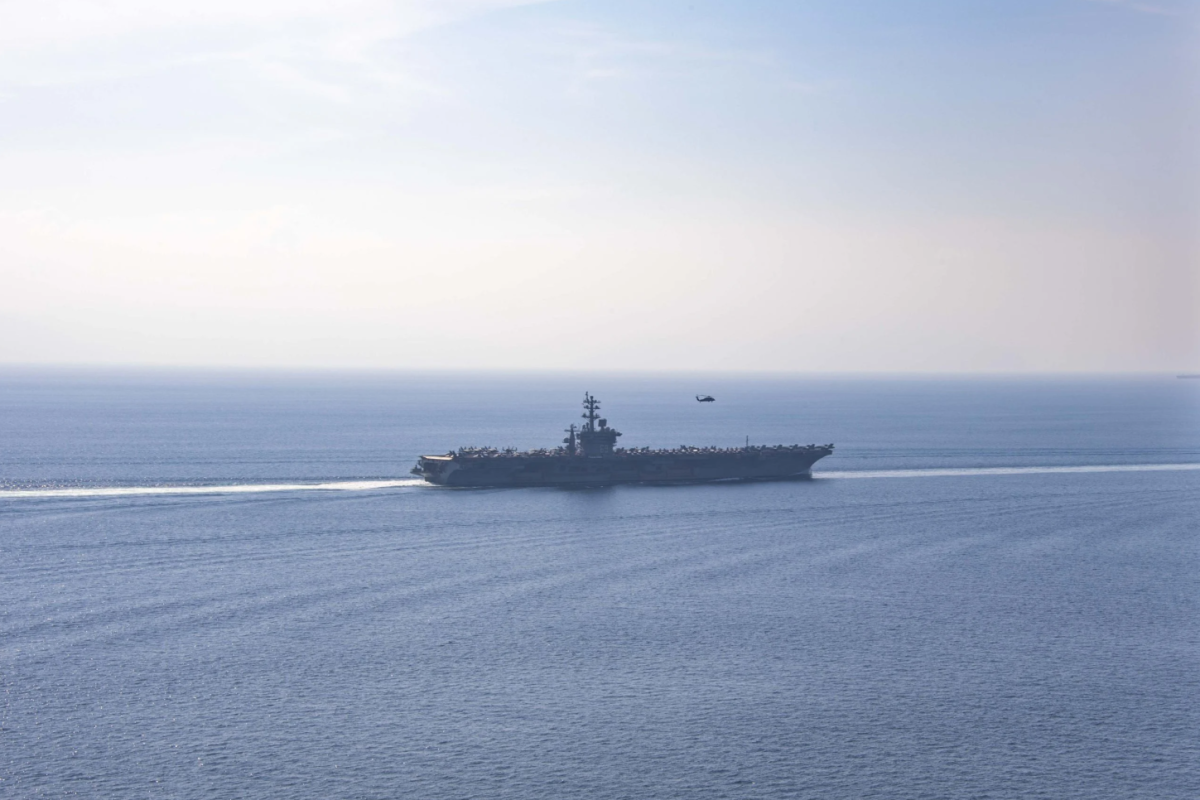
- Lead. President Trump announced on June 14 that the US-Iran ceasefire deal is “now complete,” ending more than three months of military conflict and unlocking toll-free shipping through the Strait of Hormuz.
- Fact. Pakistan’s Prime Minister Shehbaz Sharif, who mediated a critical phase of negotiations, confirmed that “both sides have declared the immediate and permanent termination of military operations on all fronts,” including Lebanon.
- Stake. The formal signing ceremony is set for June 19 in Switzerland; the deal’s durability depends on technical talks this week, a still-unfinished nuclear and ballistic accord, and the ability of the G7, convening in France, to build out a lasting security framework.
The announcement came without warning. On the evening of June 14, President Trump posted on social media that “The Deal with the Islamic Republic of Iran is now complete. Congratulations to all!” and followed with: “Ships of the World, start your engines. Let the oil flow!” The US agreed to lift its naval blockade of Iranian ports and restore Hormuz passage for commercial shipping without tolls — according to Al Jazeera’s reporting — while Iran committed to an immediate halt to military operations across all theatres.
How the deal came together
The path to June 14 was neither straight nor certain. Earlier this year, the Strait of Hormuz had become the war’s most volatile pressure point, as Iranian forces used control of the waterway to extract leverage over global energy flows. Talks stalled repeatedly: Iran suspended mediator contacts in May after striking Kuwait, and the deal text sat agreed but unsigned for days as Tehran awaited sign-off from supreme leadership following Ayatollah Khamenei’s death in February. Pakistan’s role as intermediary proved decisive in bridging the final gaps, with Sharif confirming that the “immediate and permanent termination” language had been accepted on all fronts.
The ceasefire encompasses the conflict in Lebanon as well, a significant extension of the deal’s scope that Israeli officials had not publicly endorsed as of June 14. Implementation talks are scheduled for this week ahead of the formal ceremony in Switzerland on June 19. Details of a comprehensive nuclear and ballistic accord — which the US and its allies regard as the more durable, harder part of the negotiation — remain to be finalised.
International response
The reaction from allied capitals was swift and largely positive. UK Prime Minister Keir Starmer said he “warmly welcomes” the agreement and described it as “a hugely important step forward in ending the war, ensuring regional stability and re-opening the Strait of Hormuz.” Vice President Vance called the deal “a new era” in the Middle East. French President Macron announced that G7 leaders, convening in Évian-les-Bains from June 15, would discuss the long-term security arrangements for Hormuz, support for Lebanon’s reconstruction, and the terms of a nuclear accord.
Qatar and several Gulf states praised the agreement as a path to sustainable peace after months of disruption to regional commerce and oil exports. The G7 summit, opening on June 15 just as the world absorbs the news, will be the first multilateral test of whether the ceasefire can be consolidated into a durable post-war framework — or whether the technical details of implementation unravel what the announcement has promised.