
- Lead. President Trump declared the Iran ceasefire memorandum “over” on July 8, saying “I think it’s over. I don’t want to deal with them anymore,” as US forces conducted a second consecutive day of strikes on Iranian targets.
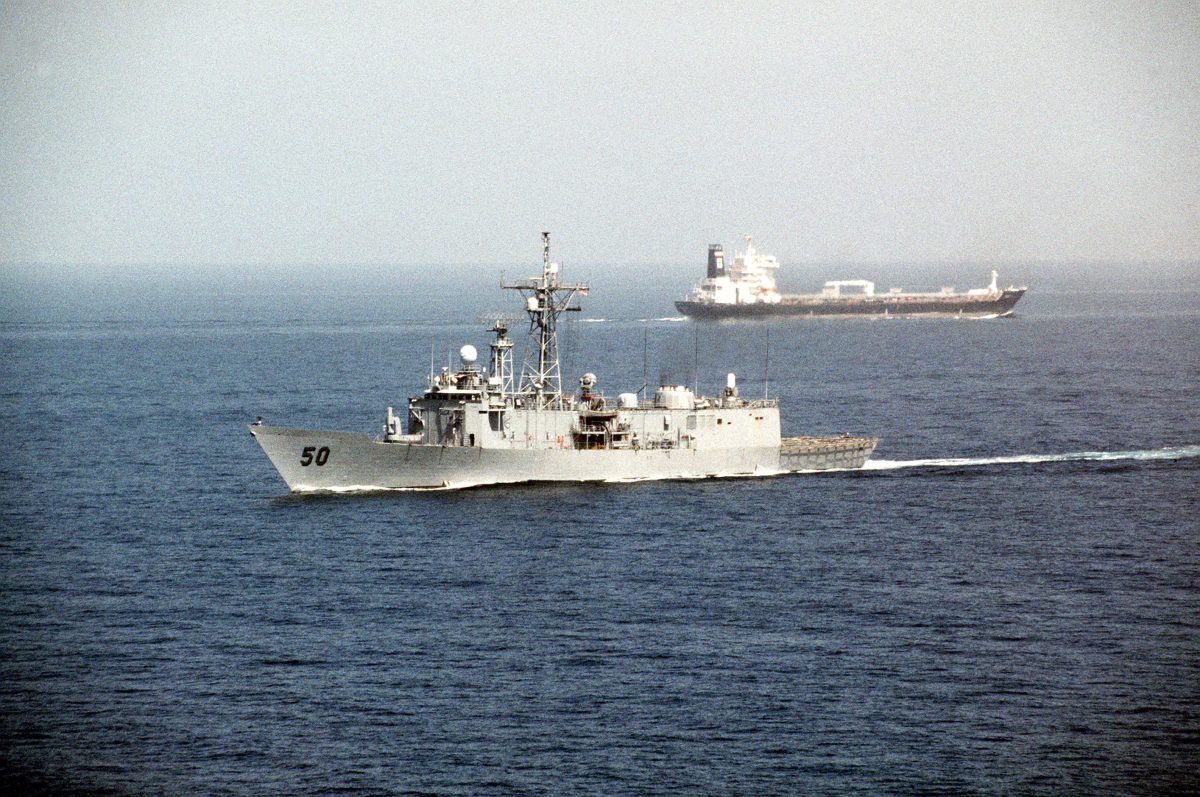
- Fact. US forces struck more than 80 Iranian targets in the latest exchange, responding to Iranian attacks on three commercial vessels—including a Qatari LNG carrier and two oil tankers—in the Strait of Hormuz.
- Stake. Trump threatened further strikes targeting Kharg Island, Iran’s main crude oil export hub, and the US Treasury revoked a sanctions waiver that had allowed Tehran to sell oil under the interim deal.
The ceasefire between Washington and Tehran, established roughly three weeks ago and described by Trump at the time as bringing “peace and security” to the region, formally collapsed on Wednesday. In remarks aboard Air Force One during the NATO summit in Ankara, Trump said Iranian leaders were “scum” and declared the memorandum of understanding dead. “They called me asking to make a deal,” he added, though he expressed doubt they were “worthy.”
The collapse followed an escalating exchange of strikes. On Tuesday, Iran attacked three commercial ships in or near the Strait of Hormuz—a Qatari LNG carrier and two oil tankers—in what the US Joint Maritime Information Center described as the largest Iranian maritime assault since the ceasefire took effect. US forces responded overnight with strikes on more than 80 Iranian targets. On Wednesday, the US launched a second round of attacks. Iran’s Islamic Revolutionary Guard Corps retaliated by firing missiles and drones at American military installations in Kuwait and Bahrain—a pattern that began when the ceasefire first showed signs of unraveling.
The strategic ambiguity that drove the fighting
Gregory Brew, an analyst at Eurasia Group, attributed the resumption of violence to the terms of the memorandum itself. “This skirmishing is really driven by ambiguity in the MOU” regarding Iran’s permitted activities in the strait, he said, predicting “more violence” but stopping short of forecasting a return to full-scale conflict. Trump himself said he does not foresee “a return to all-out war” but left the door open to strikes on civilian infrastructure including Iranian power plants, desalination facilities, and Kharg Island’s oil terminals.
The US Treasury Department underscored the break by revoking a sanctions waiver that had allowed Tehran to export crude oil under the interim arrangement. The decision immediately sent Brent crude above $78 per barrel—an increase of more than 5% in a single session—as oil markets priced in the renewed risk of supply disruption through one of the world’s most critical energy chokepoints.
NATO backdrop and next steps
Trump’s declarations came as he was attending the NATO summit in Ankara, where allies had just locked in a 5% GDP defence spending target and pledged €70 billion in additional support for Ukraine. The simultaneous management of the Iran crisis and the alliance summit illustrated the extent to which the Middle East confrontation is now running in parallel with—and complicating—Washington’s European commitments.
The Joint Maritime Information Center raised its threat assessment for vessels transiting the Strait of Hormuz to “severe,” warning that further hostile action by Iran was likely. Iran threatened to close the strait entirely in response to further US strikes—a step that would disrupt the roughly 20% of global seaborne oil trade that passes through the waterway each day. Whether Trump will authorize additional operations, and whether Iran will escalate or eventually return to negotiations, remains the central uncertainty shaping the region’s near-term outlook.