
- Lead. The US economy shed 23,000 nonfarm payroll jobs in July, the Bureau of Labor Statistics reported on August 7, 2026 — the first monthly decline of the year and a sharp miss against forecasts of 83,000 new positions.
- Fact. Downward revisions to May and June erased a further 103,000 jobs, meaning the three-month cumulative total is now approximately 60,000 — a fraction of the pace embedded in prior market pricing.
- Stake. The report shifts Fed rate-cut probability significantly higher ahead of the September meeting, triggering a broad equity rally even as the underlying labour market data signals genuine cooling.
Where the Jobs Went
Local government education shed 50,000 positions in July — the single largest sector decline — reflecting seasonal timing factors in school payrolls. Leisure and hospitality fell by 40,000 jobs, retail trade lost 19,000 and financial activities dropped 14,000. Health care added 22,000 positions, according to the Bureau of Labor Statistics, but that pace was well below the 36,000-per-month average of the prior 12 months.
The unemployment rate fell to 4.1% from 4.2%, but the decline reflects a further drop in labour force participation rather than job creation: the participation rate slipped to 61.4%, its lowest level in more than five years. Average hourly earnings grew 3.2% year-on-year — the slowest wage growth since May 2021.
Revisions Deepen the Softness
The Bureau of Labor Statistics revised May’s payroll gain down by 66,000 to just 63,000 jobs, and June’s by 37,000 to 20,000 — a combined reduction of 103,000. The revisions mean that the headline strength in prior reports was overstated, giving the July drop more weight than the absolute number suggests.
Temporary layoffs rose by 153,000 to 921,000 in July. The level of temporary layoffs tends to lead permanent separations, making this reading a potential early signal of further weakening to come rather than a one-month distortion.
Federal Reserve Implications
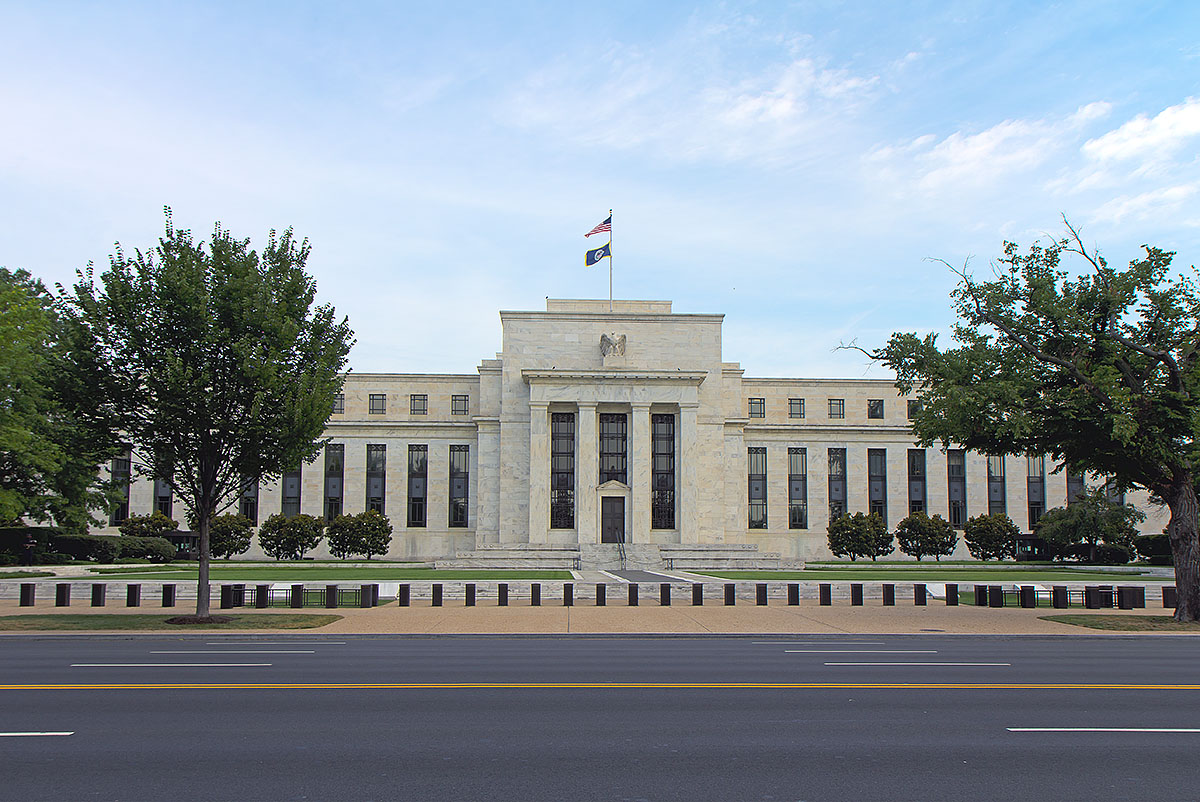
The Federal Reserve held its benchmark rate at 3.50–3.75% at its most recent meeting, with three dissenting officials calling for a cut — the broadest internal disagreement since 2016. The July employment miss materially strengthens their case. Combined with the 1.5% second-quarter GDP growth figure that missed forecasts in late July, the data now points consistently toward a labour market that has absorbed the rate cycle’s full effect and may be starting to lose momentum ahead of schedule.
Markets responded by pricing in a higher probability of a September rate cut, sending equities to new records on the same morning as the jobs data landed — an inversion that captures the peculiar position of mid-2026 monetary policy, where the best macro news for financial assets is evidence that the real economy is softening.