
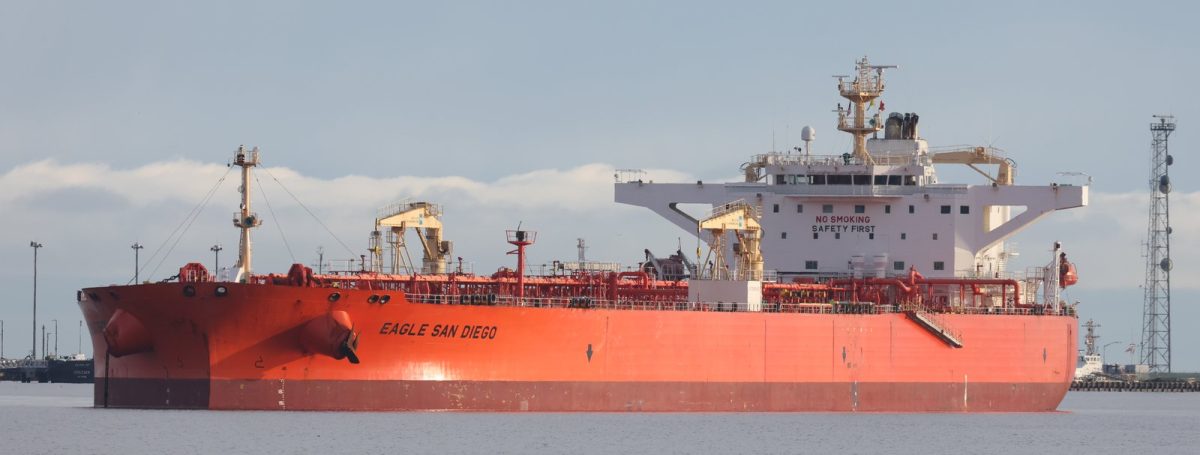
- Drop. Brent crude fell approximately 5% to around $92 per barrel on July 27 as the US paused military strikes on Iran after thirteen consecutive days of operations — and Tehran indicated it would reciprocate.
- Fact. WTI fell to around $84.67, and markets turned sharply risk-on: equity indices in Asia opened higher, government bond yields eased, and the dollar softened against most peers.
- Stake. Brent has still risen more than 50% year-to-date, meaning the pullback does not unwind the inflation shock already embedded in central bank forecasts, corporate input costs, and consumer energy bills globally.
Brent crude futures for September delivery fell close to 5% to around $92 per barrel on Sunday night into Monday after Reuters reported that Iran had told US officials it would suspend further attacks as long as the US pause in strikes remained in place. WTI fell to approximately $84.67. The move reversed a portion of the risk premium accumulated during thirteen days of US air and naval operations — a campaign that had pushed Brent above $100 per barrel for the first time since 2022.
What Moved Markets
Traders had priced in a sustained disruption to regional energy flows throughout the conflict, amplified by Iran’s imposition of a toll regime on Strait of Hormuz shipping. The combination of the US strike pause and Iran’s conditional halt — with Oman reportedly facilitating preliminary talks — triggered a wave of position unwinding by funds that had accumulated large long crude books. Oil at above $100 had been feeding expectations of a Federal Reserve rate hike at the July 29 meeting, pushing the odds to 38%; a sustained decline toward $90 could materially revise that calculus before Wednesday’s FOMC decision.
Risk-On Across Asset Classes
The oil move anchored a broader risk-on session. Asian equity indices opened higher, government bond yields fell modestly in Europe, and gold — which had been trading at a multi-month low after an earlier accumulation period as a conflict hedge — turned positive. The dollar softened against the euro, the yen, and most emerging market currencies. The moves tracked the pattern seen during earlier brief pauses in the conflict, though the scale of the position unwind was larger given how much length had built up in crude over the previous two weeks.
Why the Caution Remains
Markets have been caught before by pauses that reversed. The June memorandum of understanding between Tehran and Washington lasted days before breaking down, reasserting the Hormuz toll and sending Brent sharply higher each time. Iran’s toll regime on Strait shipping remained formally in place as of Monday morning, and no formal ceasefire agreement had been announced. Any incident at sea — a vessel seizure, a drone strike on Gulf infrastructure, or a breakdown in the Oman channel — would be expected to snap much of the geopolitical premium back within hours.