
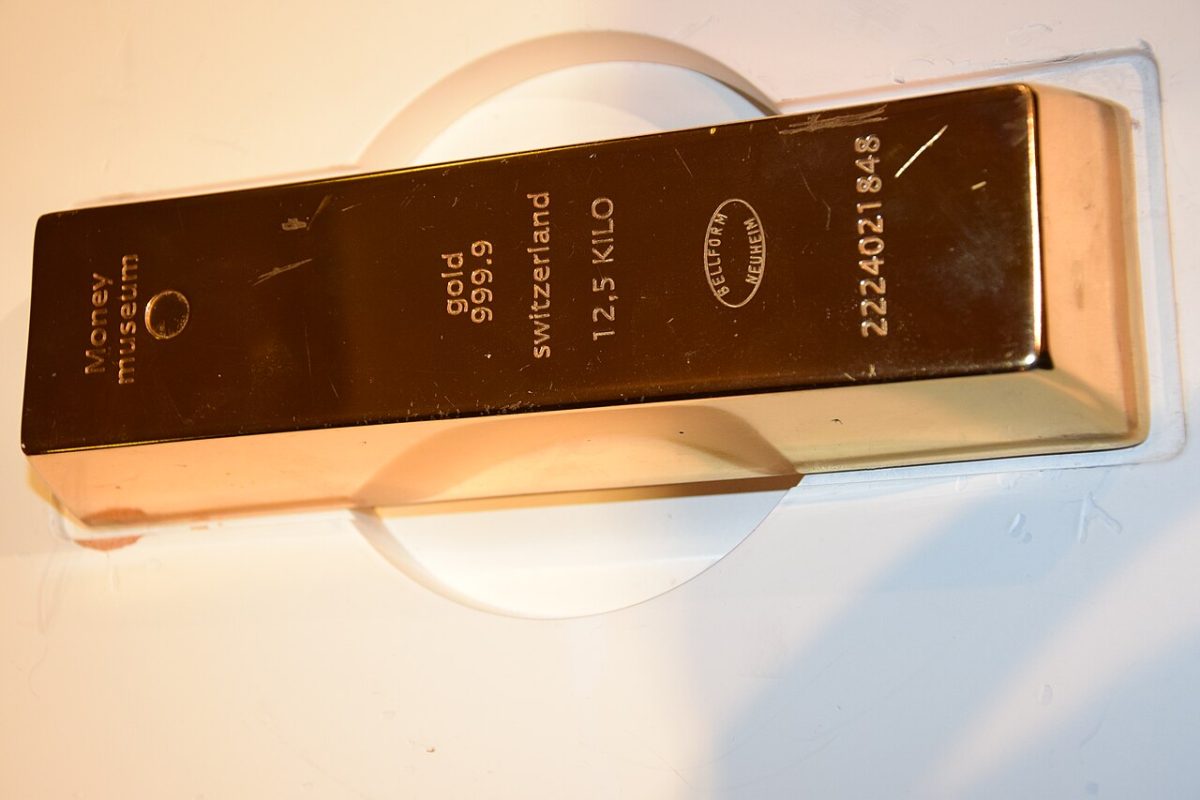
- Lead. Spot gold fell 0.5 percent to $4,405.47 on September 7 as a blowout August jobs report pushed the implied probability of a Federal Reserve rate hike to 58 percent, reinforcing the view that real interest rates will stay elevated for longer.
- Fact. US nonfarm payrolls rose 162,000 in August, nearly three times the 56,000 market consensus; the print follows a prior week’s signal from Fed Governor Christopher Waller that a hold was possible, creating a whipsaw in market positioning.
- Stake. Gold has retreated roughly 6.5 percent from its July record of $4,712—a level reached when Treasury buybacks and Iranian tensions drove a surge in haven demand—and is now approaching a test of $4,300 support if this week’s US CPI data confirms inflation above 3.5 percent.
The move lower in gold on September 7 extended a correction that began after the metal’s July peak. Gold’s July surge to $4,712 had been driven by the combination of US Treasury buybacks inflating the money supply and Iranian tensions keeping risk premiums elevated. The August jobs report has shifted the calculus: a resilient labour market reduces the political pressure on the Federal Reserve to cut rates and raises the prospect of further hikes, both of which weaken the relative appeal of non-yielding bullion.
The payrolls catalyst
The August nonfarm payrolls report, released September 5, showed employers added 162,000 jobs against a consensus forecast of 56,000. The unemployment rate held steady. The data reversed much of the rate-cut speculation that had followed July’s weak employment figures—when the US economy shed 23,000 jobs—and appears to confirm that the slowdown was temporary. Fed funds futures now price a 58 percent chance of a 25-basis-point hike at the Federal Open Market Committee’s meeting later this month, up from roughly 50 percent before the payrolls release.
Fed Governor Christopher Waller had offered a brief reprieve to gold earlier in the week, signaling a willingness to hold rates steady if the data permitted. The payrolls print has substantially undercut that signal, leaving markets to await US CPI data due later this week for the definitive input into the FOMC’s September decision.
The dual central-bank headwind
Gold faces a concurrent drag from European monetary policy. The European Central Bank is widely expected to raise its deposit rate by 25 basis points to 2.5 percent on September 10—just two days away—following eurozone inflation’s rise to 3.3 percent in August. Simultaneous Fed and ECB tightening, a scenario that last materialized in 2022, tends to strengthen both the dollar and the euro against weaker currencies, reducing the global pool of capital that typically flows into haven assets during periods of central bank easing.
Gold has historically performed poorly in the weeks immediately following rate hike cycles, though longer-horizon demand from central banks—who have been net buyers for the past four consecutive years—provides structural support that limits the depth of corrections. Previous attempts to push gold below $4,400 have attracted buying from Asian central banks and sovereign wealth funds, suggesting that the $4,300–$4,400 range may act as a demand floor absent a significant upside surprise in US inflation data.
What to watch
US Consumer Price Index data for August, due this week, is the immediate market trigger. A reading above 3.5 percent year-on-year would likely cement Fed rate-hike bets and push gold toward $4,300; a softer print close to 3.2 percent could restore some of the Waller-effect optimism and stabilize prices near current levels. Separately, the ongoing Iran-Oman negotiations over a Hormuz shipping corridor—which briefly pushed oil down more than 5 percent on September 8—could reduce energy-driven haven demand if the corridor becomes operational, though geopolitical risk premium in gold has historically been sticky.