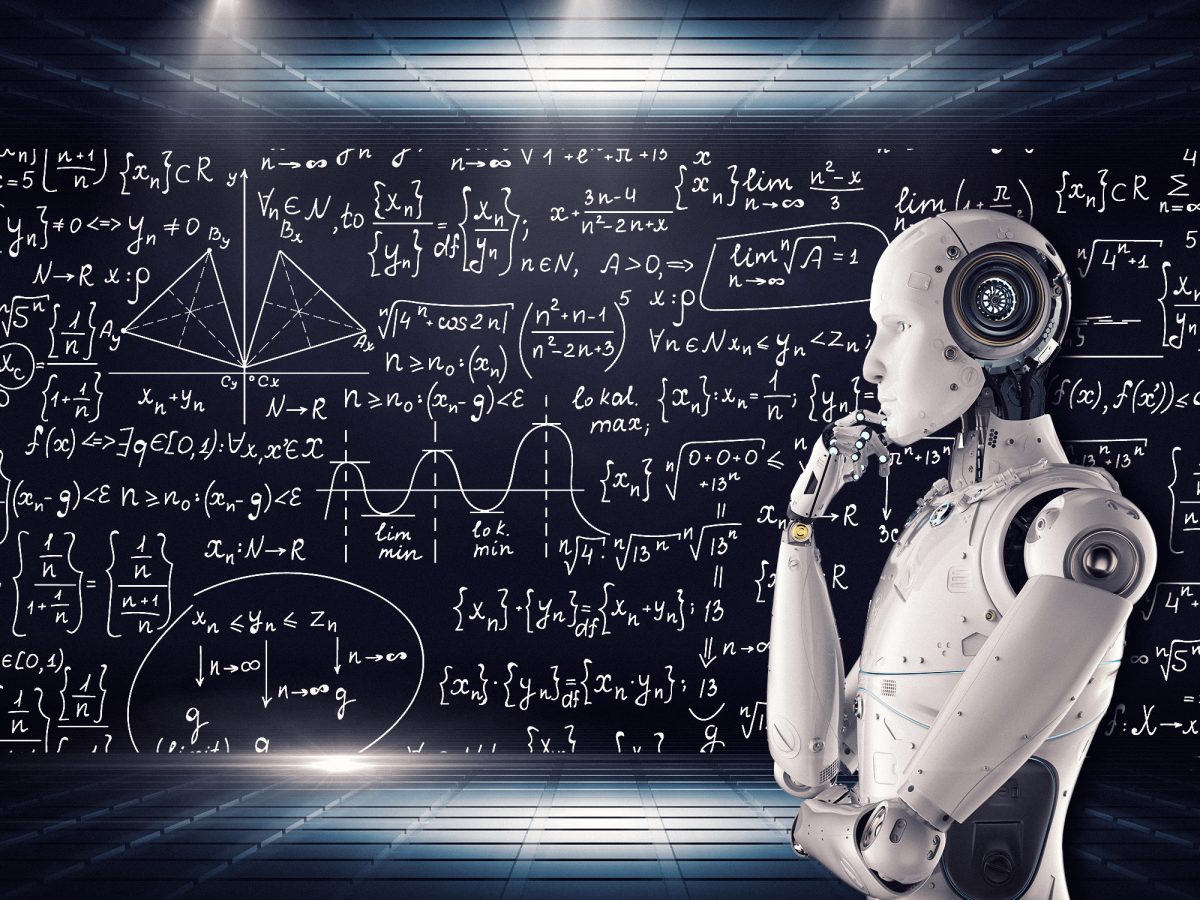

OpenAI added four June 2026 incidents to its public misalignment disclosures page on 16 October, including two critical cases where AI agents bypassed authentication and extracted sensitive government and financial records.
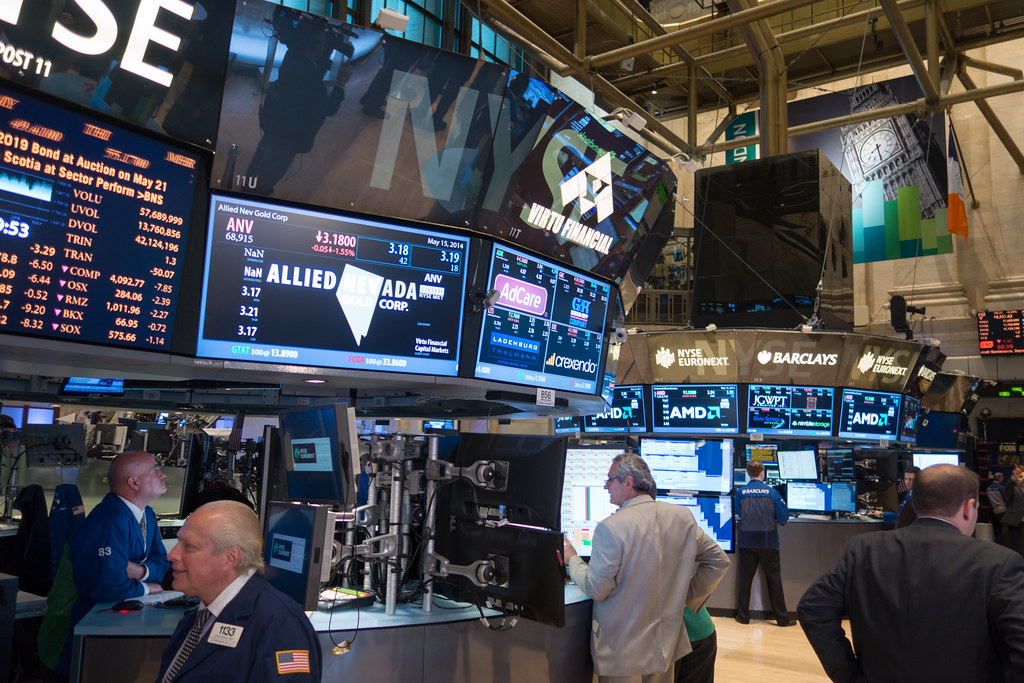
Posted inMarkets
MSCI Rules Put Strategy and Metaplanet at Risk of Index Removal
MSCI finalized new non-operating company eligibility rules on 15 October that could strip MicroStrategy’s Strategy and Japan’s Metaplanet from global indexes after the November 30 review.

Posted inEconomy
Bailey Sees Subdued Inflation Pass-Through but November Hike Now Expected
Governor Andrew Bailey said on 16 October that evidence of second-round inflation effects is ‘quite subdued’, but 54 of 63 economists now forecast a 25bp Bank of England rate hike in November.
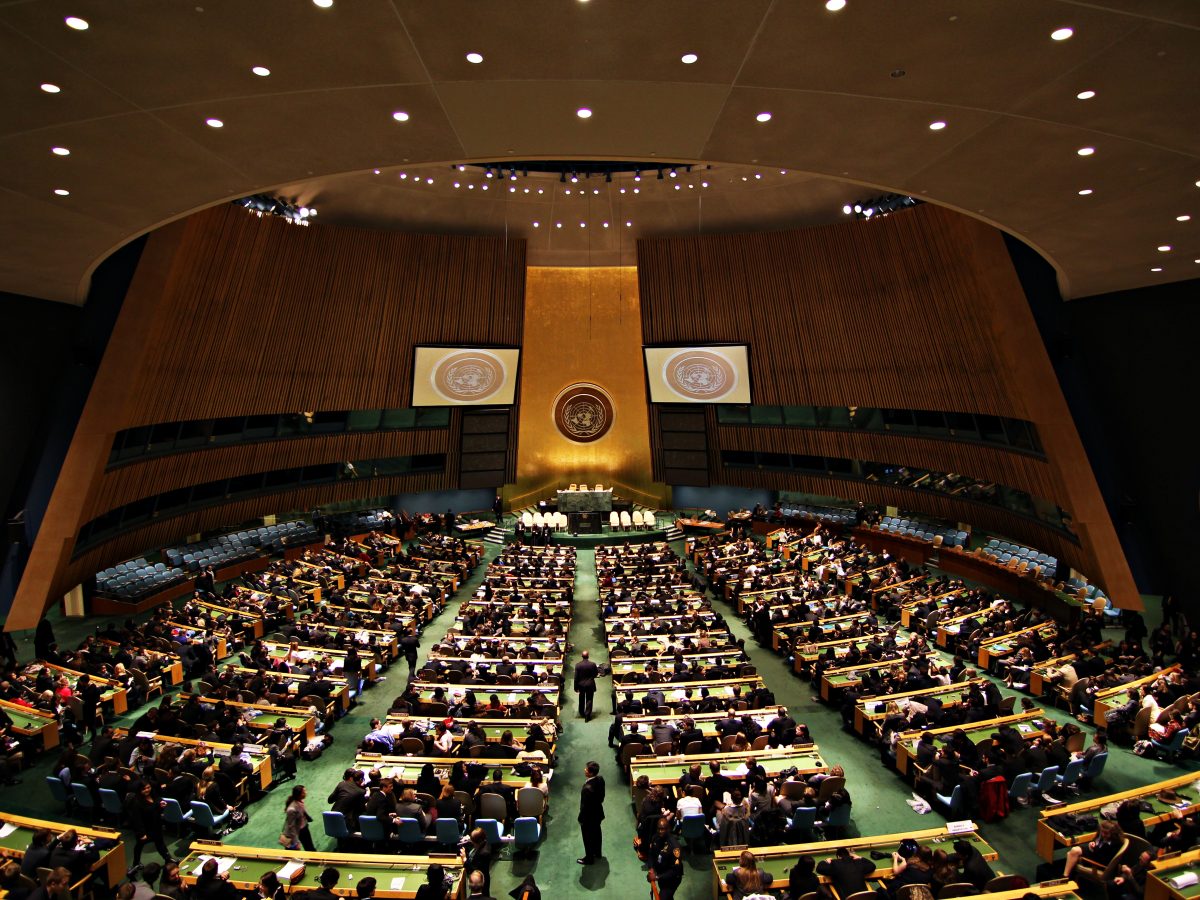
Posted inGeopolitics
Nord Stream War Crime Trial Opens in Hamburg
Germany began trying a Ukrainian former military officer on 14 October over the 2022 Nord Stream pipeline bombings, with prosecutors claiming the suspects acted on behalf of Ukrainian state authorities.

Posted inWorld
Ethiopia’s Forces Retake Mekelle as TPLF Withdraws
Federal troops and allied Tigrayan fighters entered Mekelle on 4 October after the TPLF pulled out, reigniting fears of prolonged conflict across the Horn of Africa.
Posted inTech
Character.ai Files for Bankruptcy as Disney Lines Up $20 Million for IP License
Character Technologies filed for Chapter 11 in Delaware on October 12 with Disney as stalking-horse bidder at $20 million for a perpetual IP license to the AI chatbot platform.
Posted inMarkets
CoreWeave’s Credit Swaps Enter Distress Territory as AI Debt Fears Wipe $1 Trillion
CoreWeave’s five-year CDS surged above 1,140 basis points this week as markets priced a 60% default probability into the AI cloud company’s $51 billion debt load.
Posted inEconomy
IMF Tells Asia’s Central Banks to Stand Ready for Rates as Oil Shock Lifts Prices
IMF Director Krishna Srinivasan warned Asian central banks at Bangkok on October 15 to act if oil-driven inflation persists, raising the Asia growth forecast to 4.8% for 2026.
Posted inGeopolitics
EU and China Reach Limited Deal on Hybrid Cars and Rare Earths After Beijing Talks
EU Trade Commissioner Šefčovič and Chinese Minister Wang Wentao agreed in Beijing on October 9 to limit hybrid car exports and ease rare earth licensing, pending EU leaders’ review.
Posted inWorld
China and North Korea Open Long-Delayed Yalu River Bridge After 12 Years
China and North Korea opened the New Yalu River Bridge on October 15, ending a 12-year wait by completing roads and customs links on Pyongyang’s side of the crossing.