
- Lead. Ukraine sank the Russian corvette Merkury in Benghazi harbour on November 22, confirming for the first time that Ukrainian naval drones can operate at range in North Africa.
- Fact. Seven domestically made Ukrainian sea drones were used; a combat helicopter on board the 1,800-ton vessel was also destroyed, and the Russian cargo ship MV Angara suffered additional damage.
- Stake. The strike extends the geographic arc of the war and complicates Russia’s maritime logistics, while drawing Libya further into a conflict neither Tripoli nor the UN mission there wants.
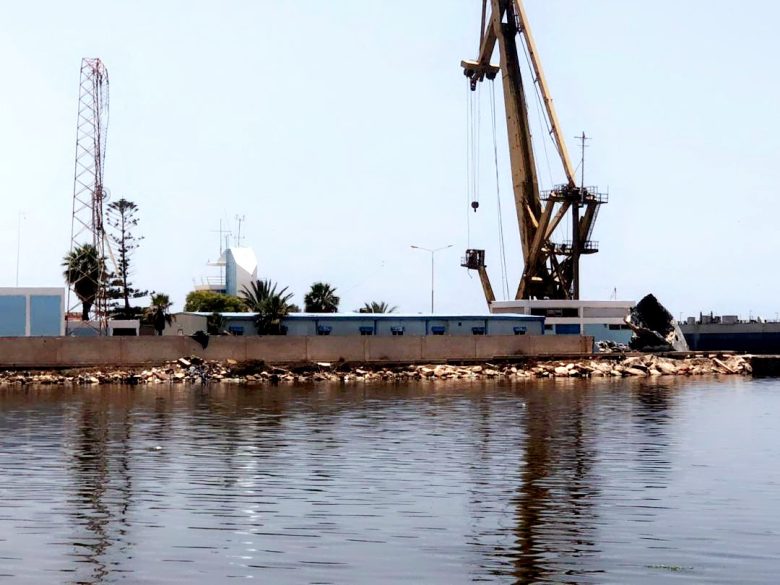
President Volodymyr Zelenskyy confirmed on November 23 that Ukraine was responsible for the sinking of the Russian corvette Merkury at the Libyan port of Benghazi, describing the operation as a “exemplary” strike carried out the previous evening. The Merkury, an 1,800-ton vessel, was photographed capsized at the naval base in satellite imagery circulated by open-source analysts. Zelenskyy said the operation also struck and damaged the Russian cargo ship MV Angara, which was berthed nearby.
Seven Drones, One Warship
According to Zelenskyy, seven domestically produced Ukrainian sea drones were deployed in the strike. The drones destroyed a combat helicopter stored on the Merkury’s deck before the vessel sank. Casualties from the attack were confirmed by sources speaking to Al Jazeera, who said both Russian and Libyan nationals were killed. Ukraine has not officially specified from where the drones were launched, and reports that they were dispatched from a base in western Libya have not been independently confirmed.
The Merkury was at Benghazi under a maritime cooperation agreement between Russia and Libya’s Government of National Stability, which controls the east of the country. Russia has steadily deepened its military presence in Libya since the late 2010s, using it as a logistics and staging hub for operations across the Sahel. The Merkury’s visit was consistent with that pattern, suggesting the vessel was refuelling and resupplying rather than conducting active naval operations at the time of the strike.
The sinking follows a pattern of Ukrainian long-range maritime operations. Earlier this year, Ukraine struck the Kerch Bridge in its largest drone assault of the war to date, demonstrating a capability to hit high-value Russian assets far from the front line. The Libya strike is a significant escalation of that reach, extending it beyond the Black Sea and into the Mediterranean.
Libya’s Unwanted Role
The UN Support Mission in Libya called for an independent investigation within hours of Zelenskyy’s statement and warned against any effort to draw Libya into foreign conflicts. The mission said the strike could destabilise what remains a fragile security environment. The Kremlin said it had “taken note” of Zelenskyy’s statement and offered no further comment publicly.
For Libya’s Government of National Stability, the strike places a sharp spotlight on the costs of hosting Russian naval assets. The arrangement provided Tripoli with a degree of diplomatic cover from Moscow, but the destruction of a Russian warship in its territorial waters creates a different kind of exposure. How Benghazi-based authorities respond, and whether the maritime cooperation agreement continues, will be watched closely by both Russia and Western governments monitoring Russia’s footprint in North Africa.
Strategic Signal
The Merkury strike does not alter the military balance on Ukraine’s eastern front, but it carries a pointed message: Russia’s naval assets have no sanctuary even in distant ports. The operation also demonstrates Ukraine’s growing confidence in long-range maritime drone operations following earlier Black Sea successes that helped reverse Russian naval dominance in the region. CNBC reported that Zelenskyy called the operation exemplary, suggesting it may serve as a template for further actions against Russian vessels operating outside the main war theatre.