
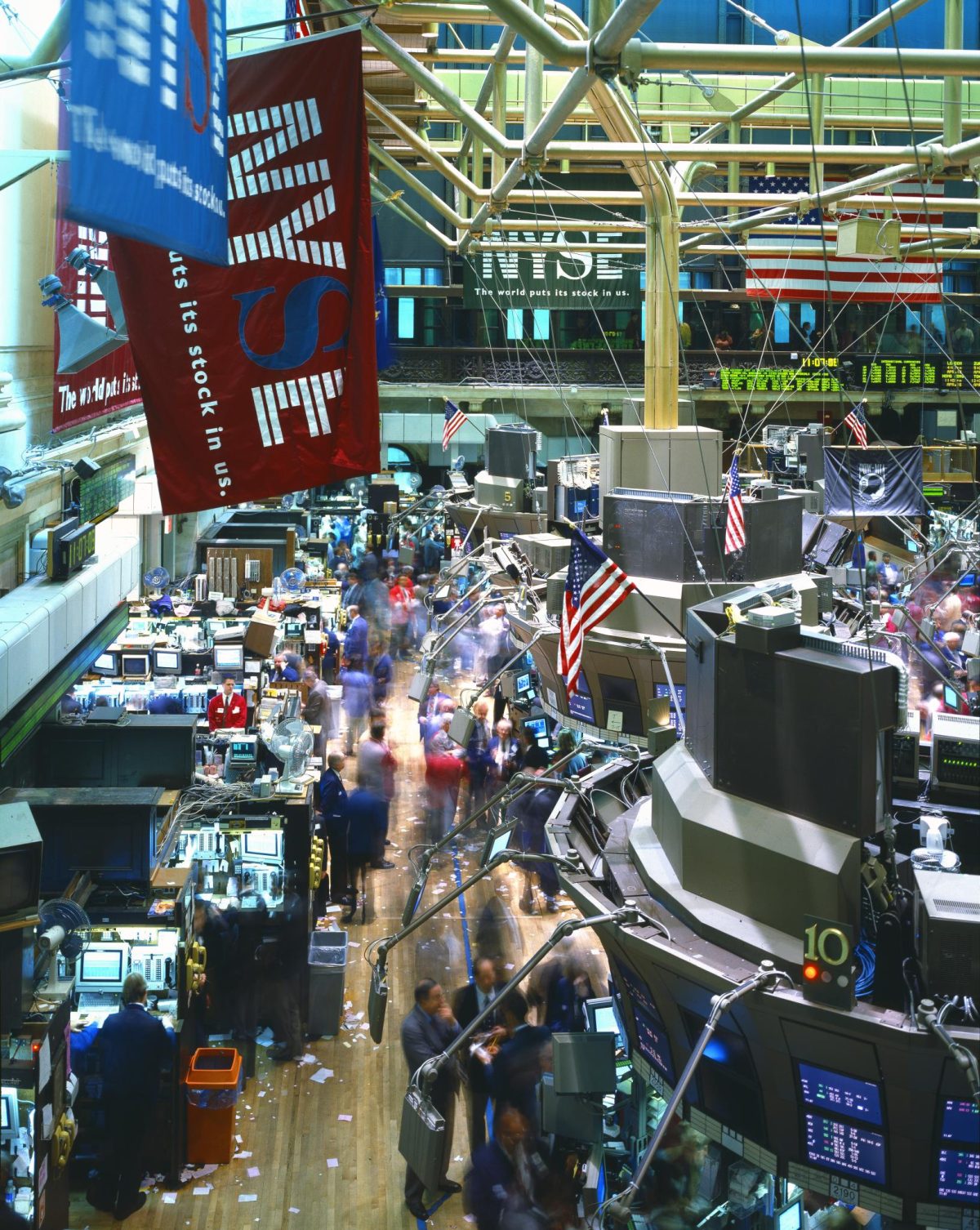
- Lead. US equities had their best single session since April 2025 on November 23, ending a seven-day losing streak after Nvidia’s board voted unanimously to reinstate Jensen Huang as chief executive.
- Fact. The S&P 500 rose 4.7 percent, the Dow jumped more than 1,400 points (roughly 3 percent), and the Nasdaq Composite rallied nearly 6.5 percent. Nvidia shares closed up 31 percent, adding more than $1 trillion in market capitalisation, per Bespoke Investments.
- Stake. The rally partly reverses a seven-session correction driven by AI spending fears and the Nvidia governance crisis, though a Nomura strategist warned the surge reflected mechanical short-covering rather than a fundamental shift in outlook.
Monday’s session erased a significant portion of the losses accumulated during one of the most turbulent stretches for large-cap US equities this year. The S&P 500 had entered correction territory the previous Friday, closing more than 10 percent below its October peak after seven consecutive down days. The catalyst for the reversal was Nvidia’s announcement before the market open that its board had unanimously reinstated co-founder Jensen Huang as president, CEO, and board director, effective immediately. Huang had resigned on November 11 following press reports of personal affairs, including one involving an executive at Megaspeed, a Singapore company suspected of connections to Chinese intelligence services.
Nvidia’s $1 Trillion Swing
Nvidia shares added 31 percent on the day. The board’s statement cited input from unnamed senior levels of the United States government and said the board was “confident” that Huang’s return “poses no national security risk.” President Trump said on Truth Social he had spoken with the board “directly and indirectly” and called the decision “absolutely GREAT.” Huang, in his own statement, said he was “honored to return to NVIDIA” and was leading the company “at the beginning of a new industrial revolution.”
The ripple effect across the semiconductor and technology sector was immediate. The Philadelphia Semiconductor Index, which had shed 17.1 percent the previous week — its worst weekly drop since 2001 — staged a partial recovery. Nomura strategist Charlie McElligott cautioned investors that the move was “a massive surge of MECHANICAL buying” driven by short-covering and options-market hedging dynamics and “guarantees us nothing” about the underlying trajectory.
Crypto and Commodities Diverge
Cryptocurrency markets did not share in the equity rally. Bitcoin was trading around $61,213 by late Monday, roughly flat on the session, with nearly $570 million in Bitcoin ETF outflows on the day following four consecutive weeks of redemptions totalling more than $4 billion. Ethereum traded near $1,719.
Commodity markets moved in the opposite direction from equities. WTI crude fell 5.2 percent to $83.90 a barrel on rising US stockpile data, and gold dropped 9.5 percent to around $3,515 an ounce as dollar strength and reduced haven demand weighed on the metal. Anthropic shares, which had debuted two sessions earlier, fell 1.7 percent on Monday, trading just below $88.
What the Rally Does and Does Not Settle
The scale of the reversal reflects how much of the recent selloff was tied to Nvidia-specific uncertainty. With Huang reinstated and the government signalling it has no national security objection to his leadership, one major source of selling pressure is removed. But the broader questions that drove the AI correction — elevated valuations, doubts about AI revenue timing, and Federal Reserve rate pressure — remain. Fed Governor Christopher Waller’s call for a 50-basis-point December hike, made on November 18, was not revoked by Monday’s equity surge, and the October PCE data due before the December meeting still carries the potential to revive rate anxiety.